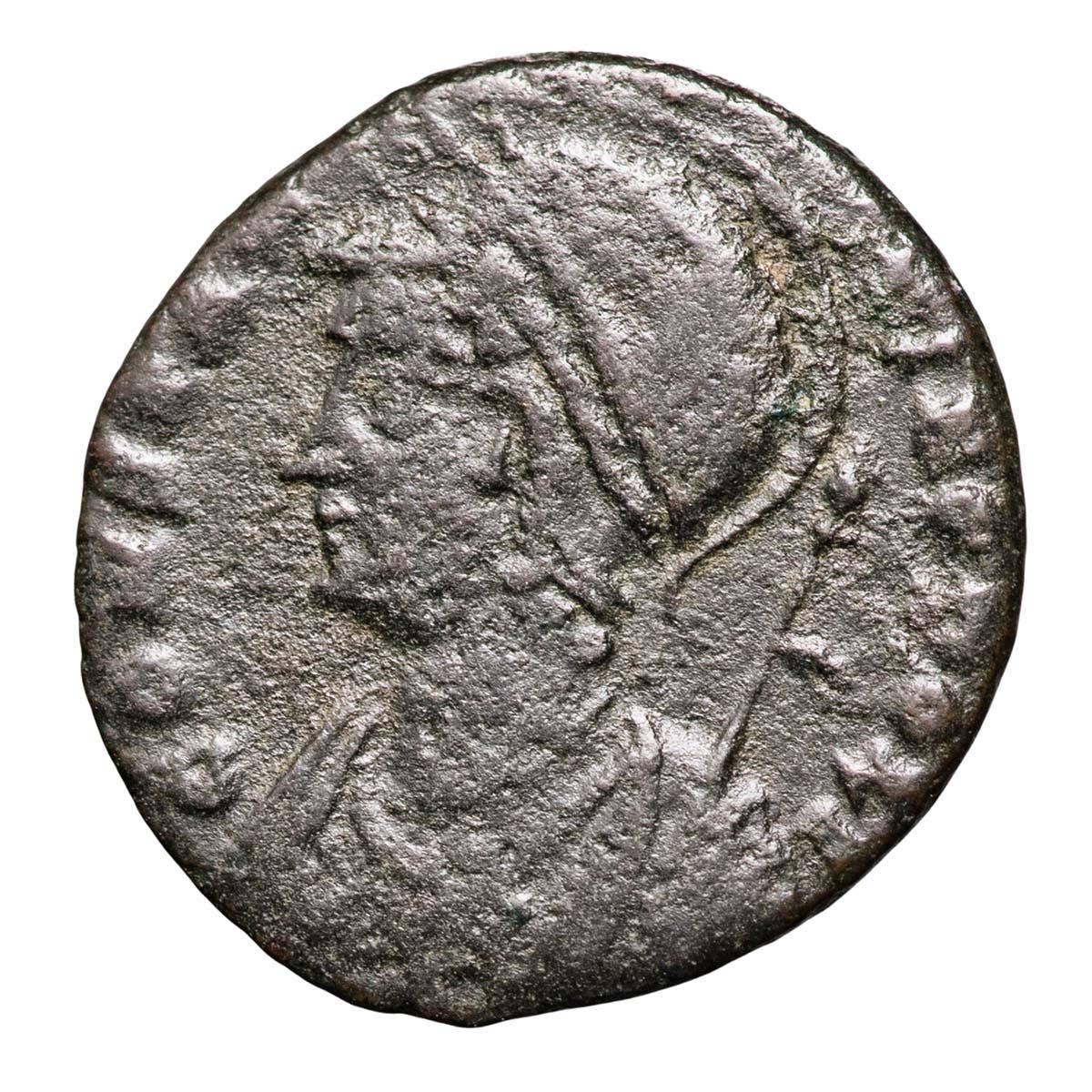
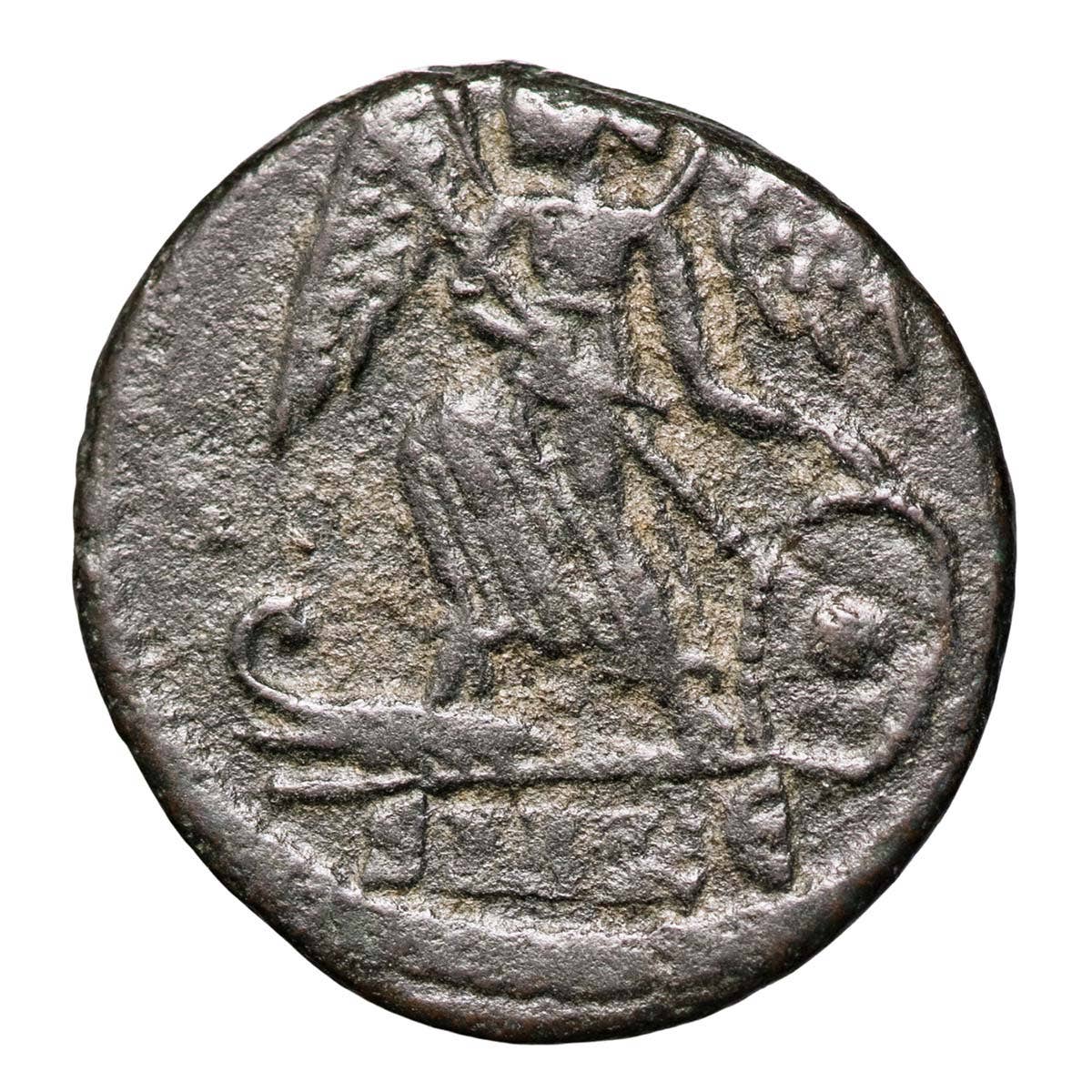
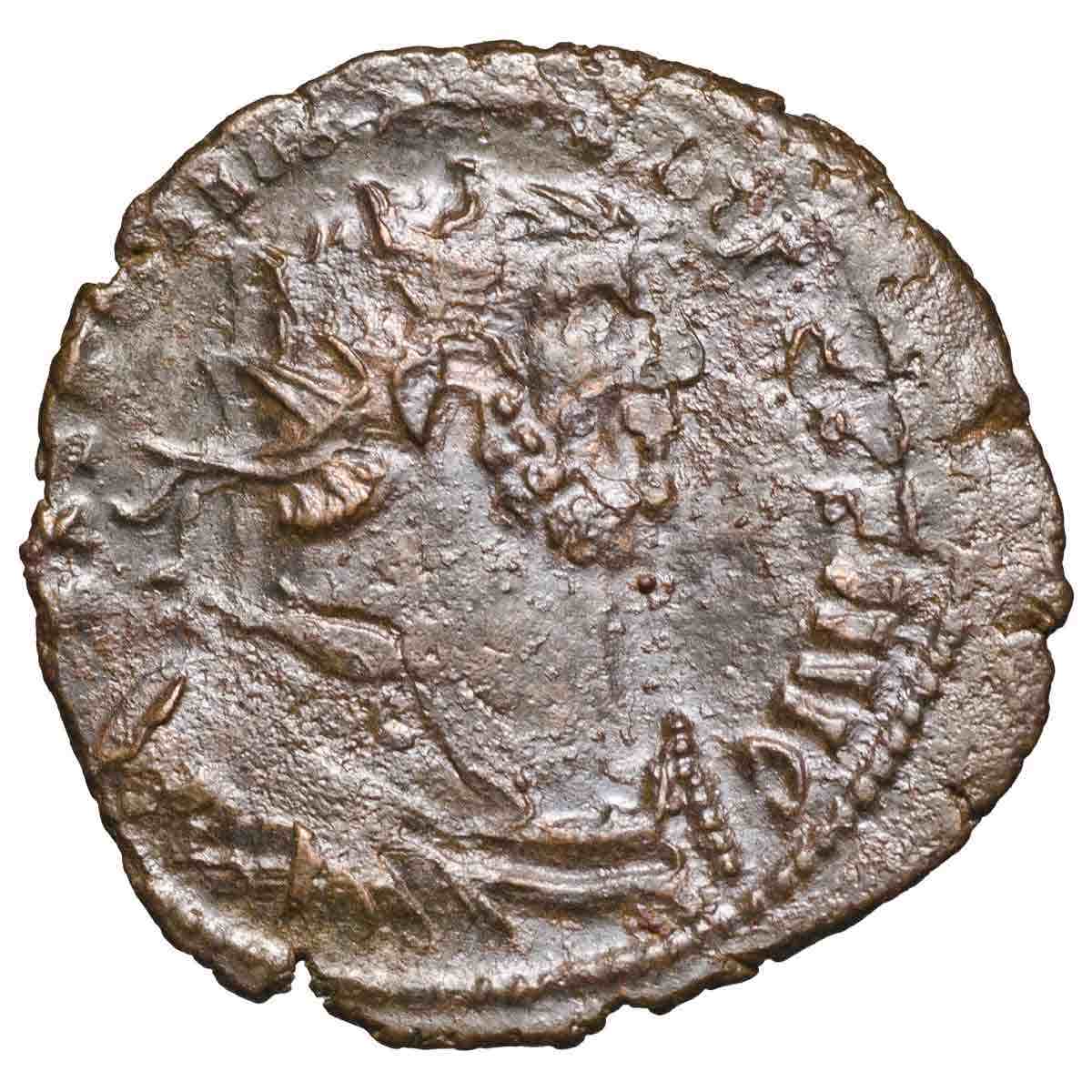
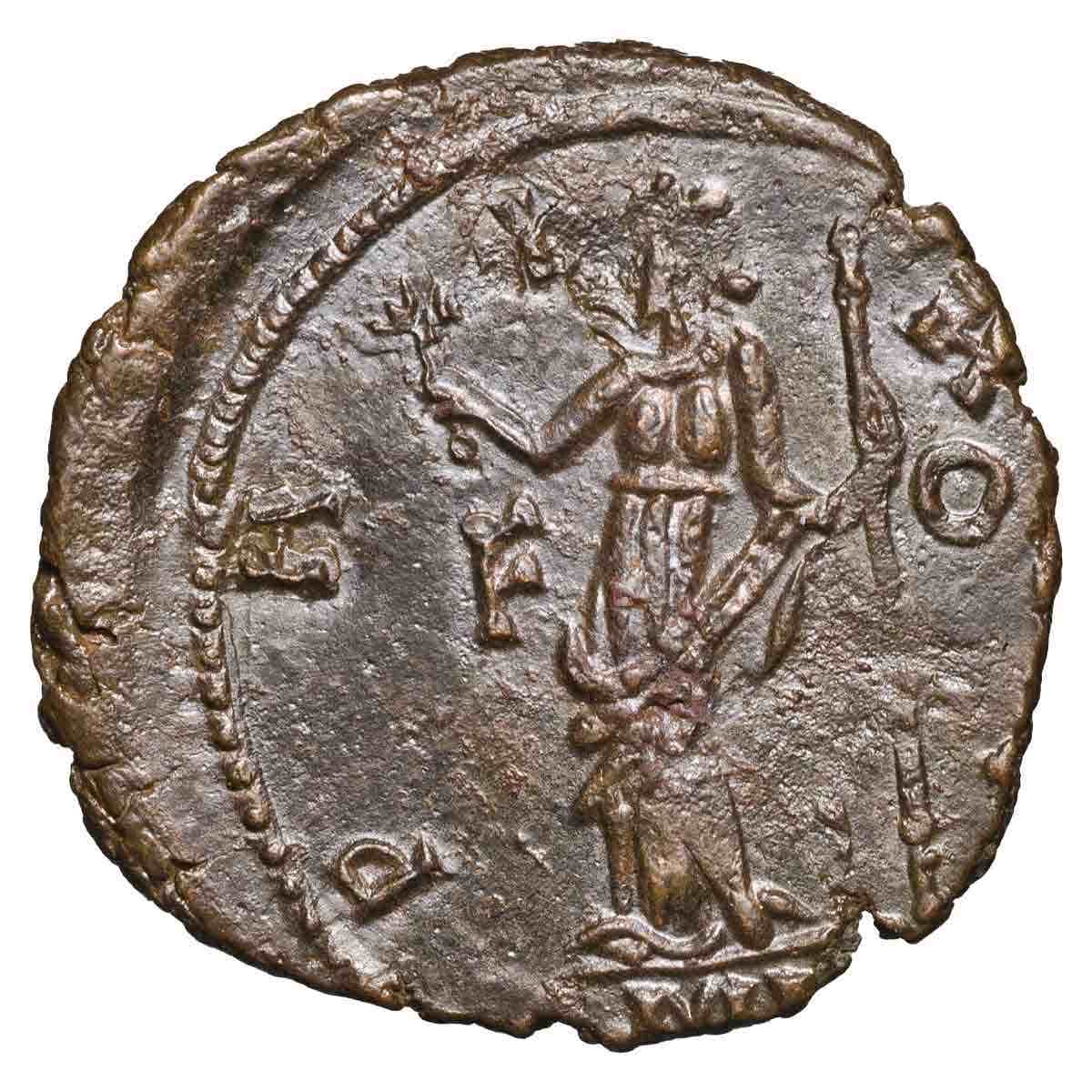
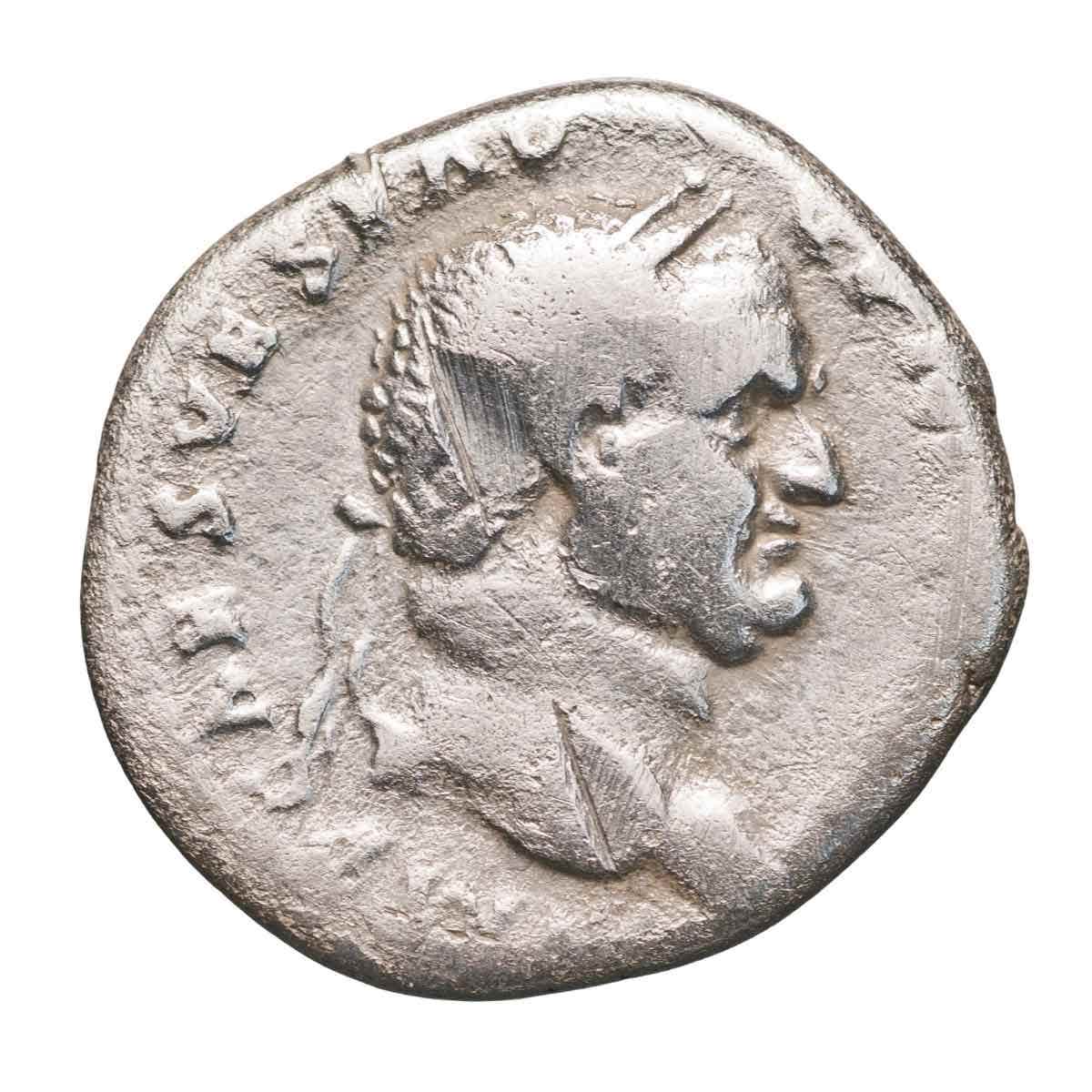
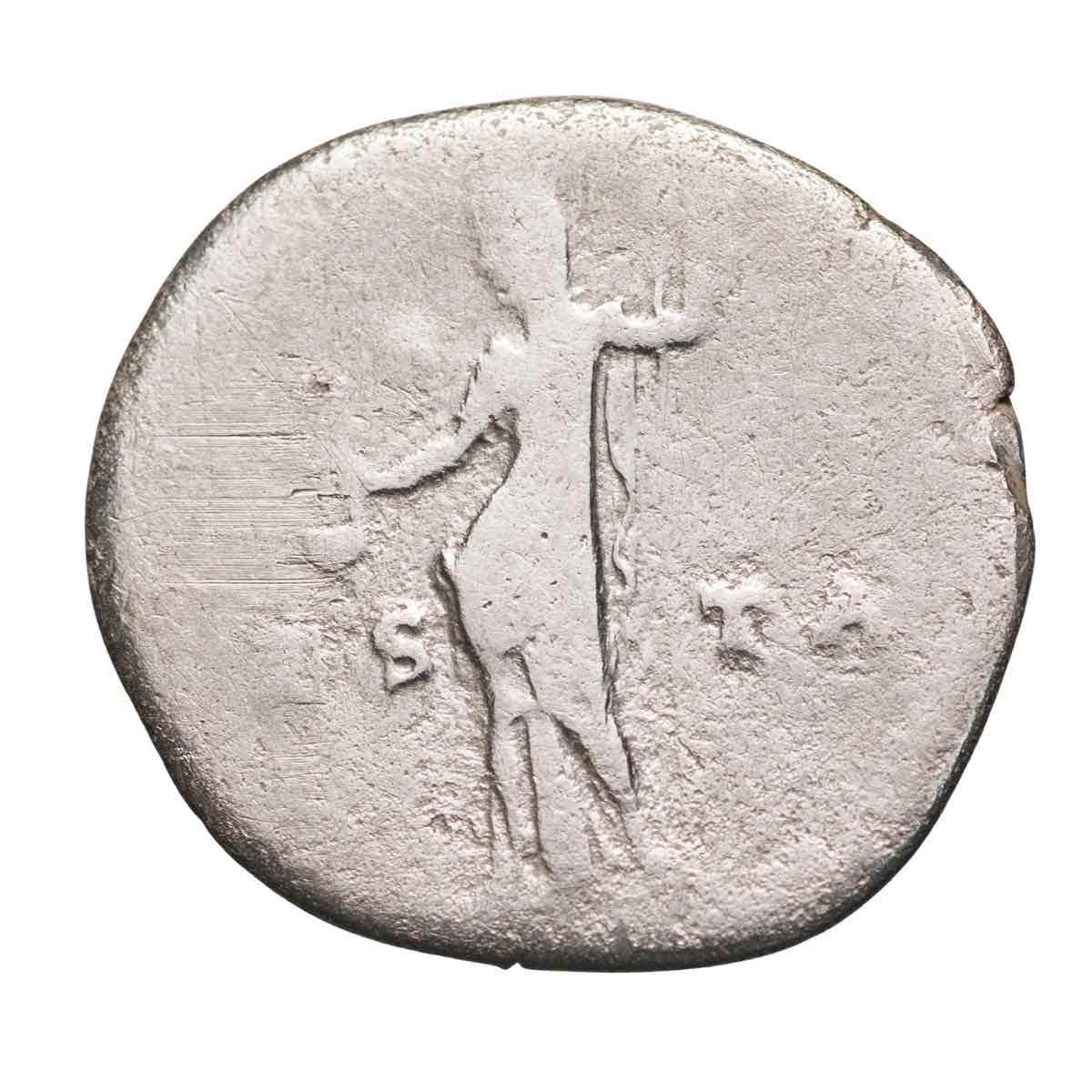
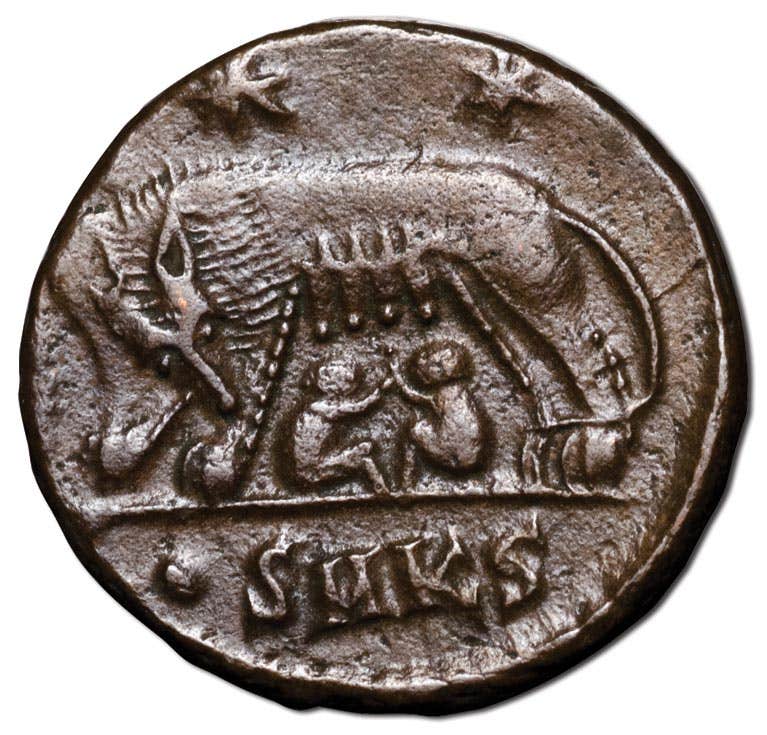
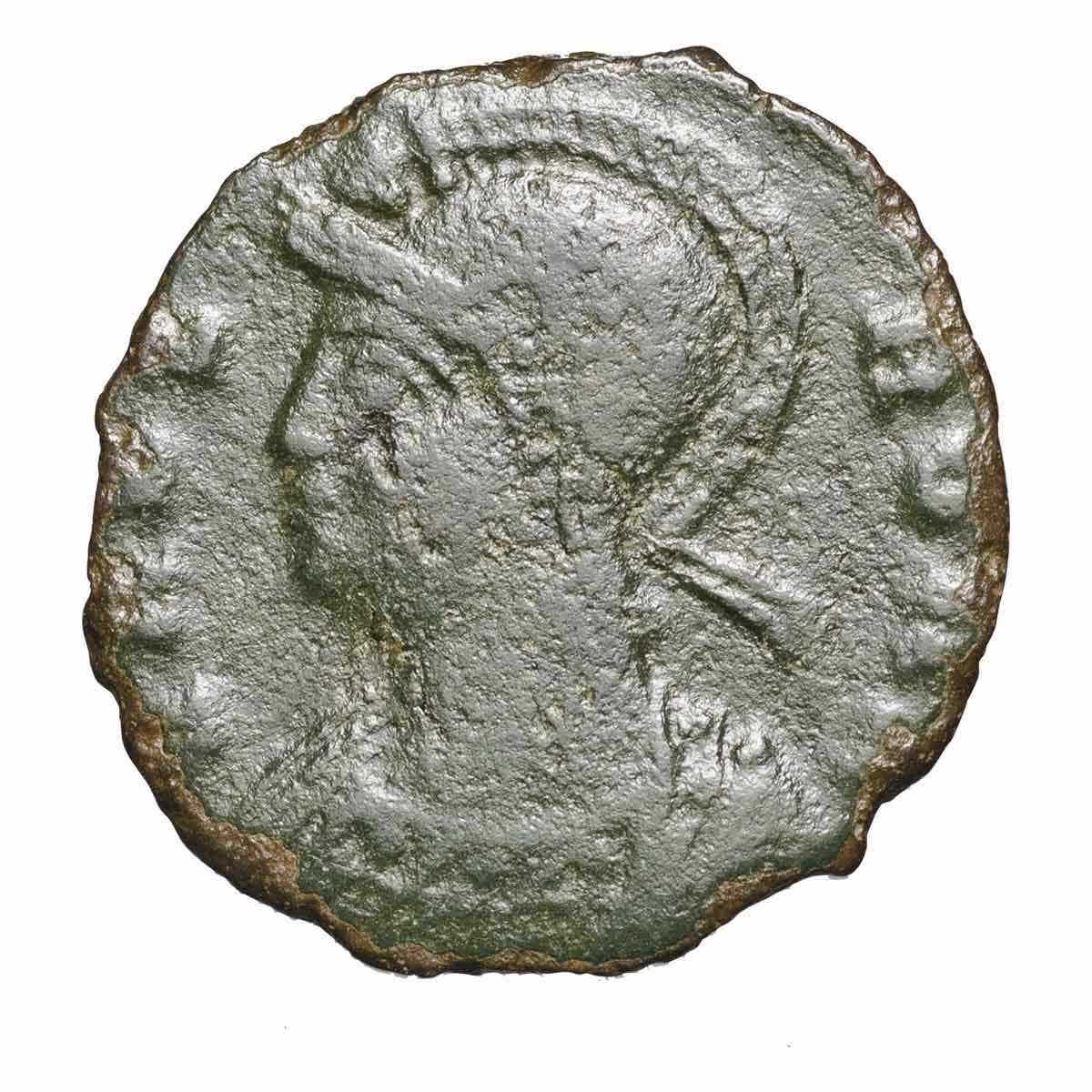
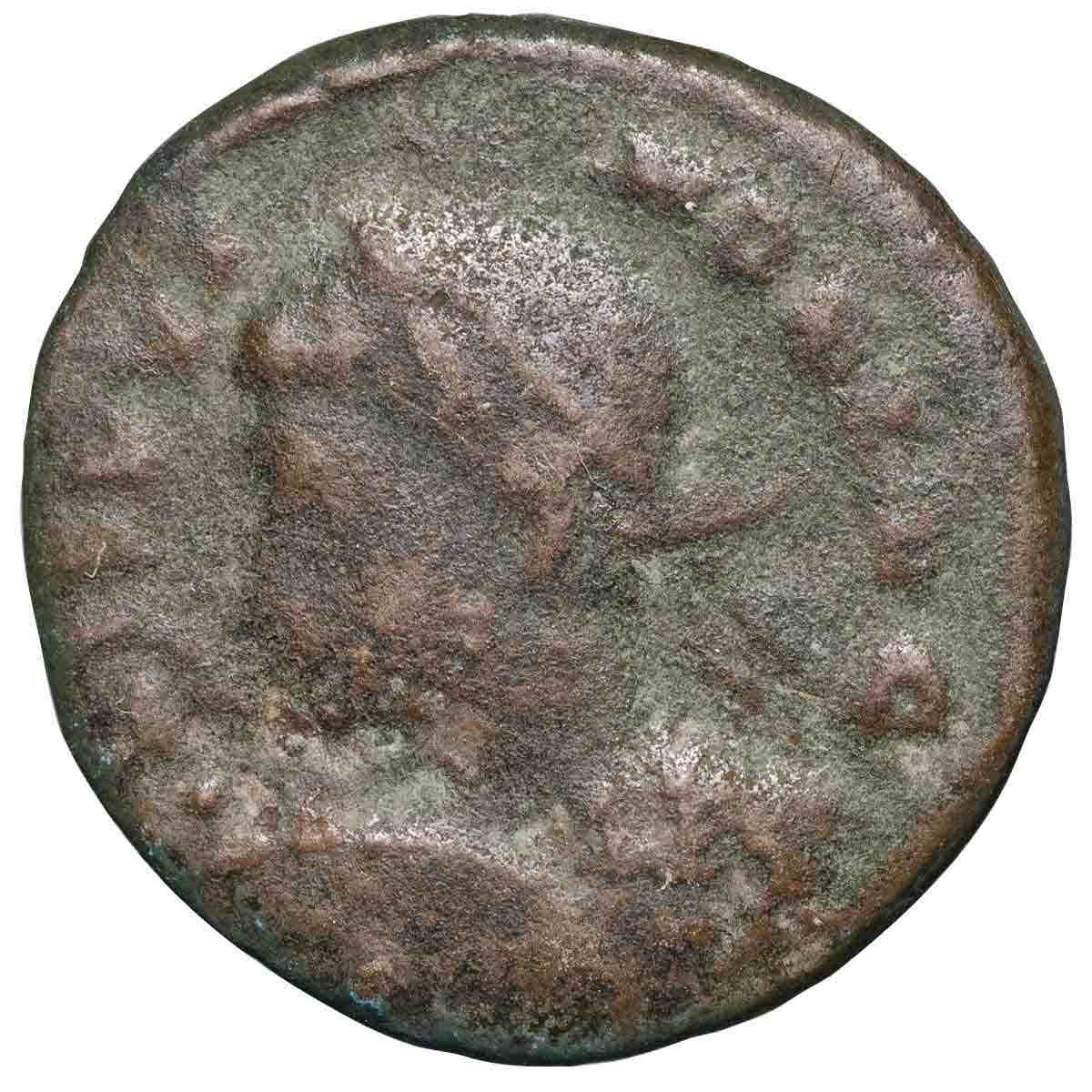
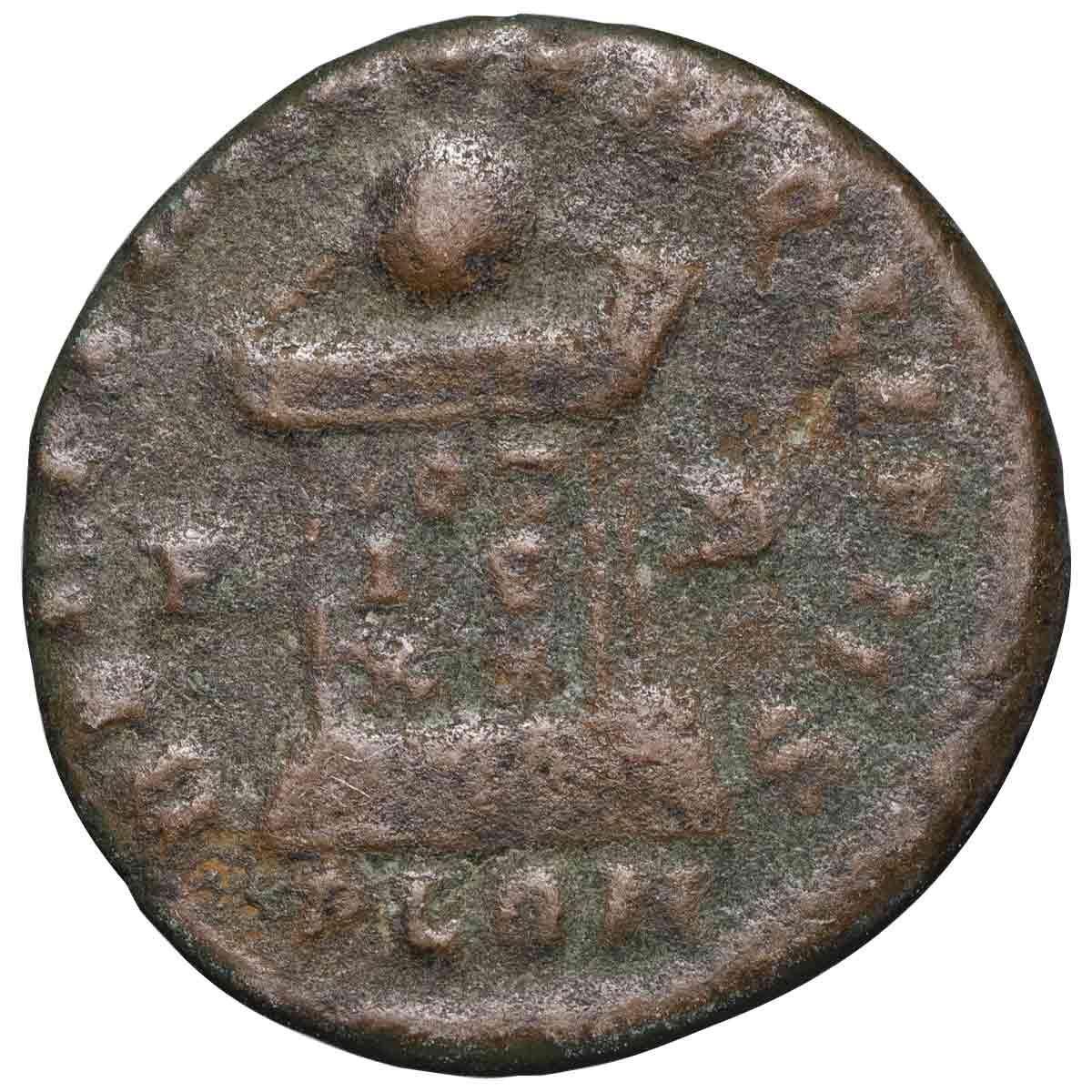
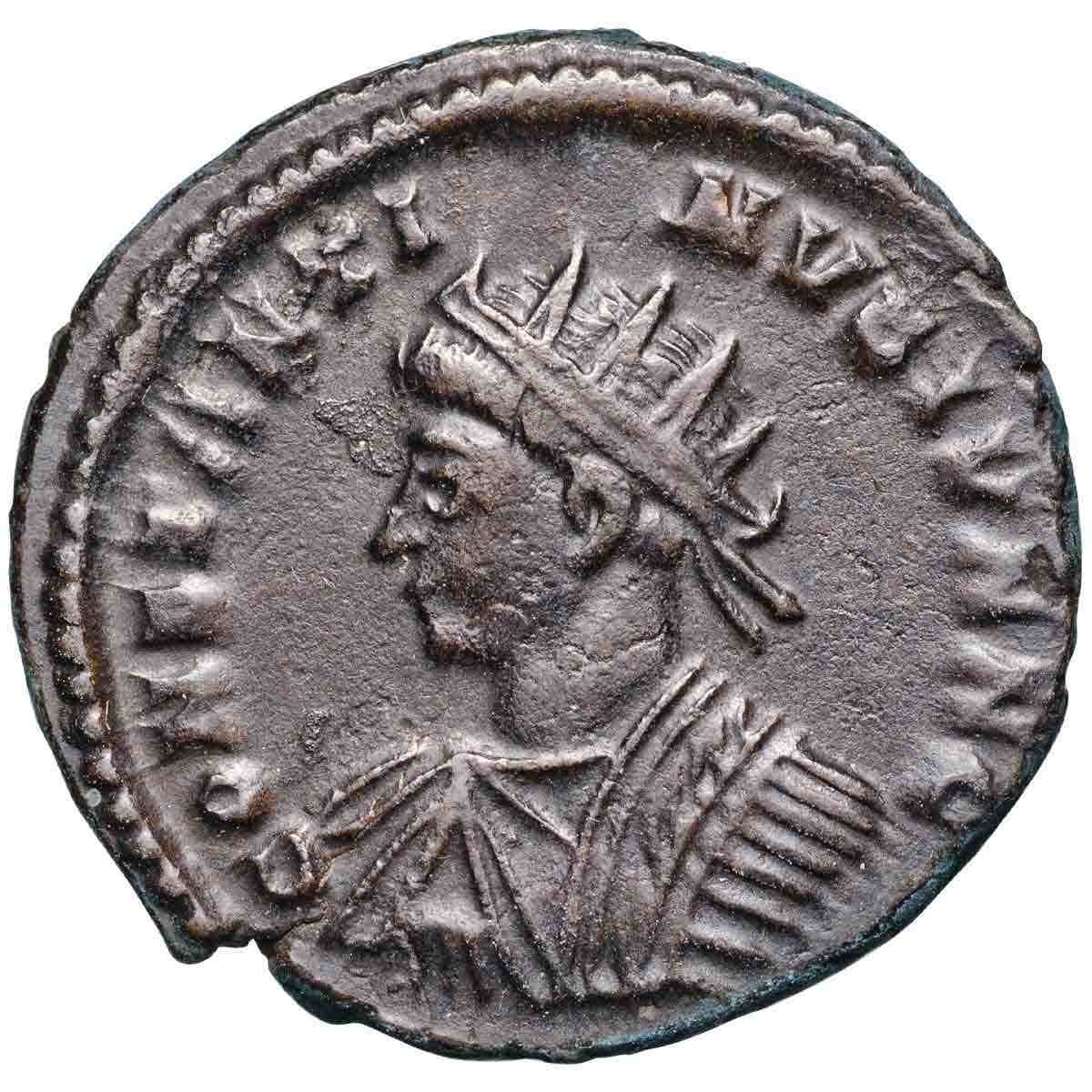
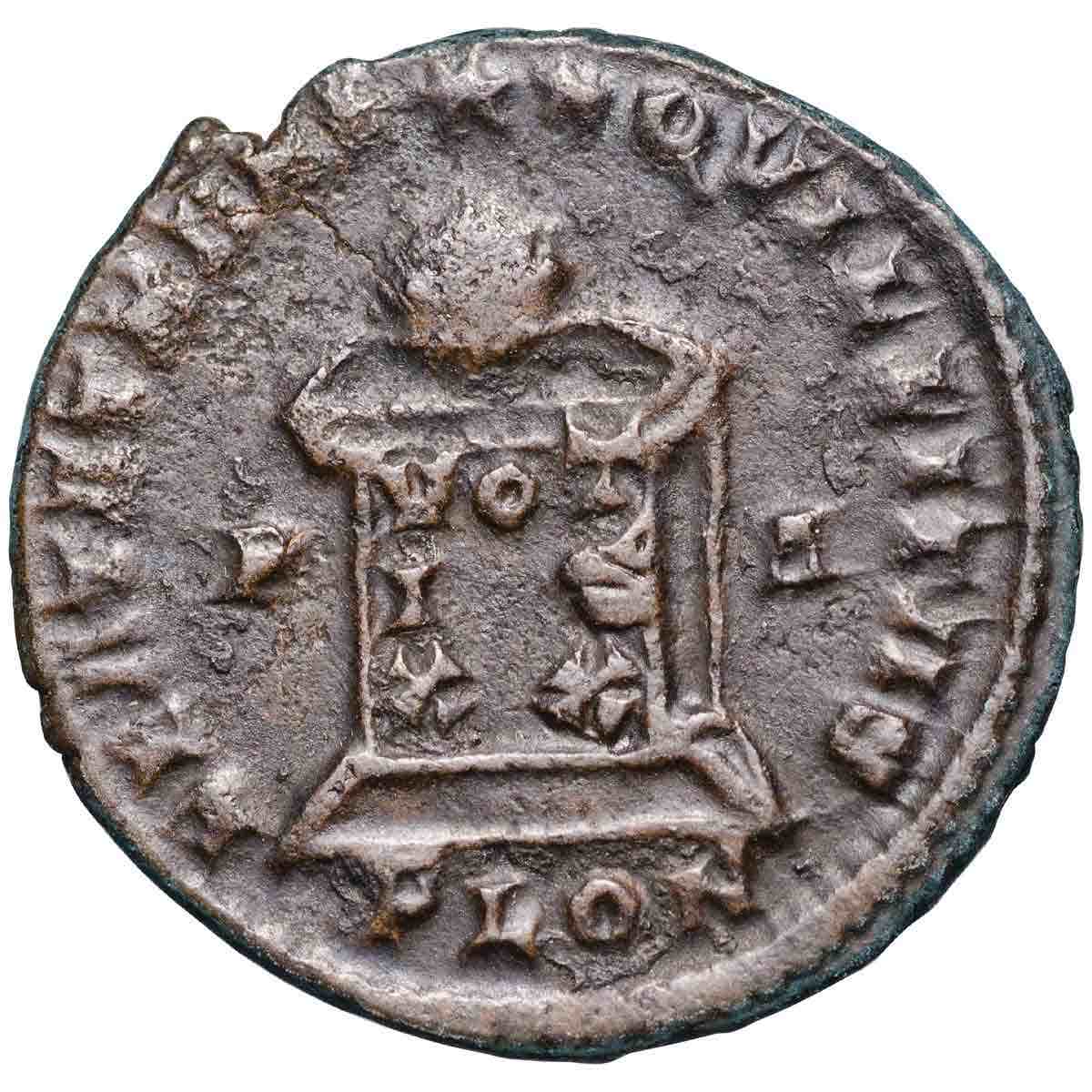
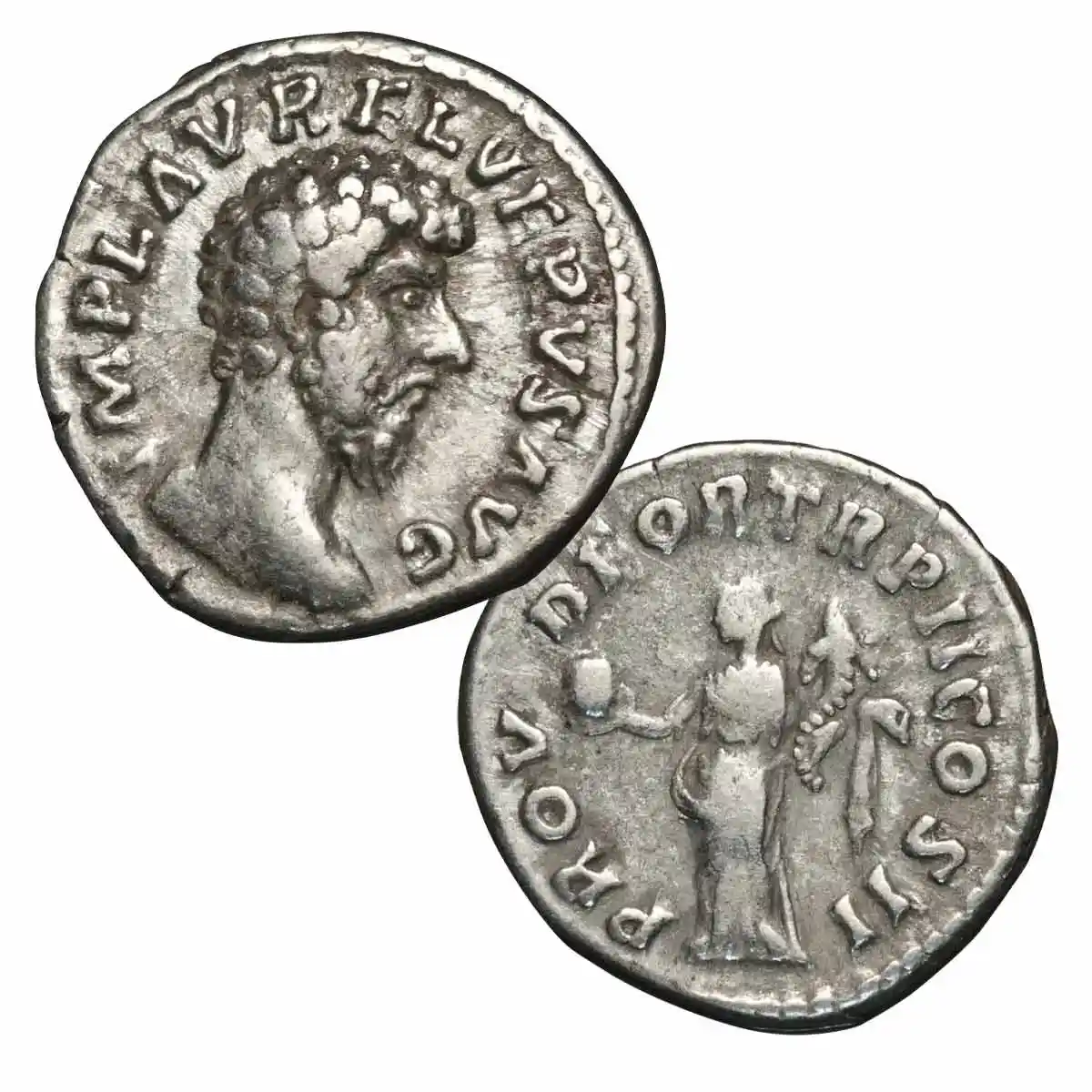
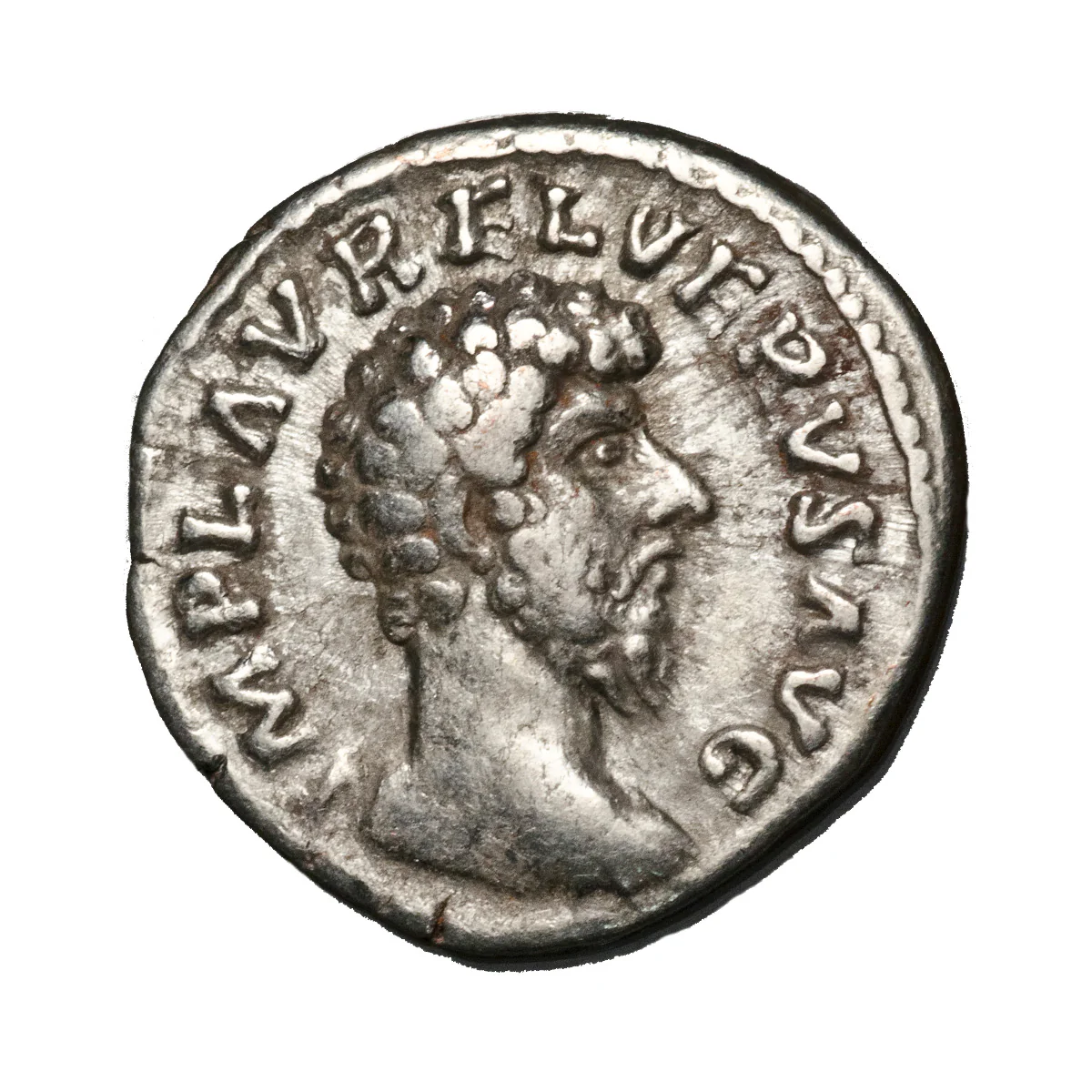
Roman Empire Nerva 96-98AD Silver Denarius Fine-Very Fine
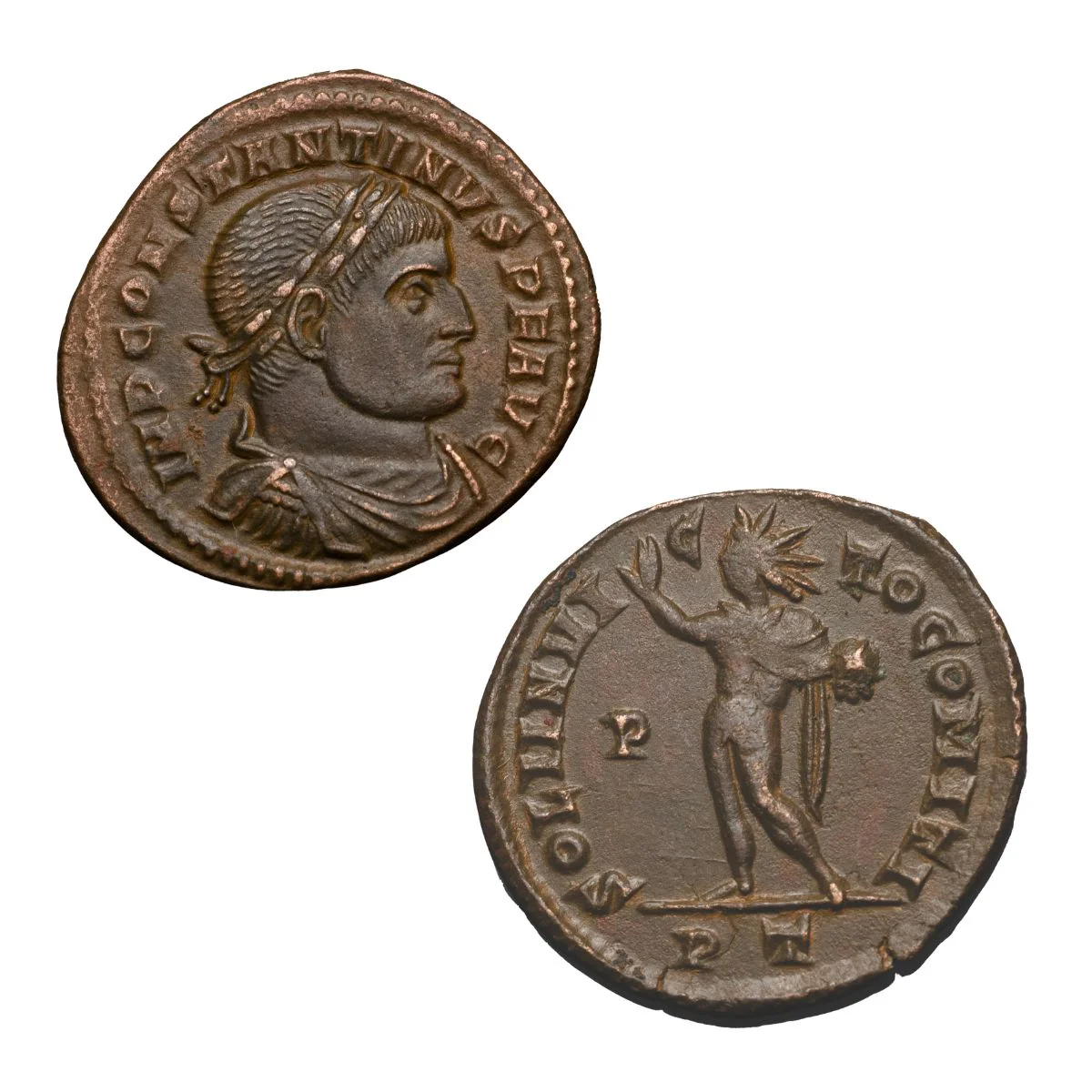
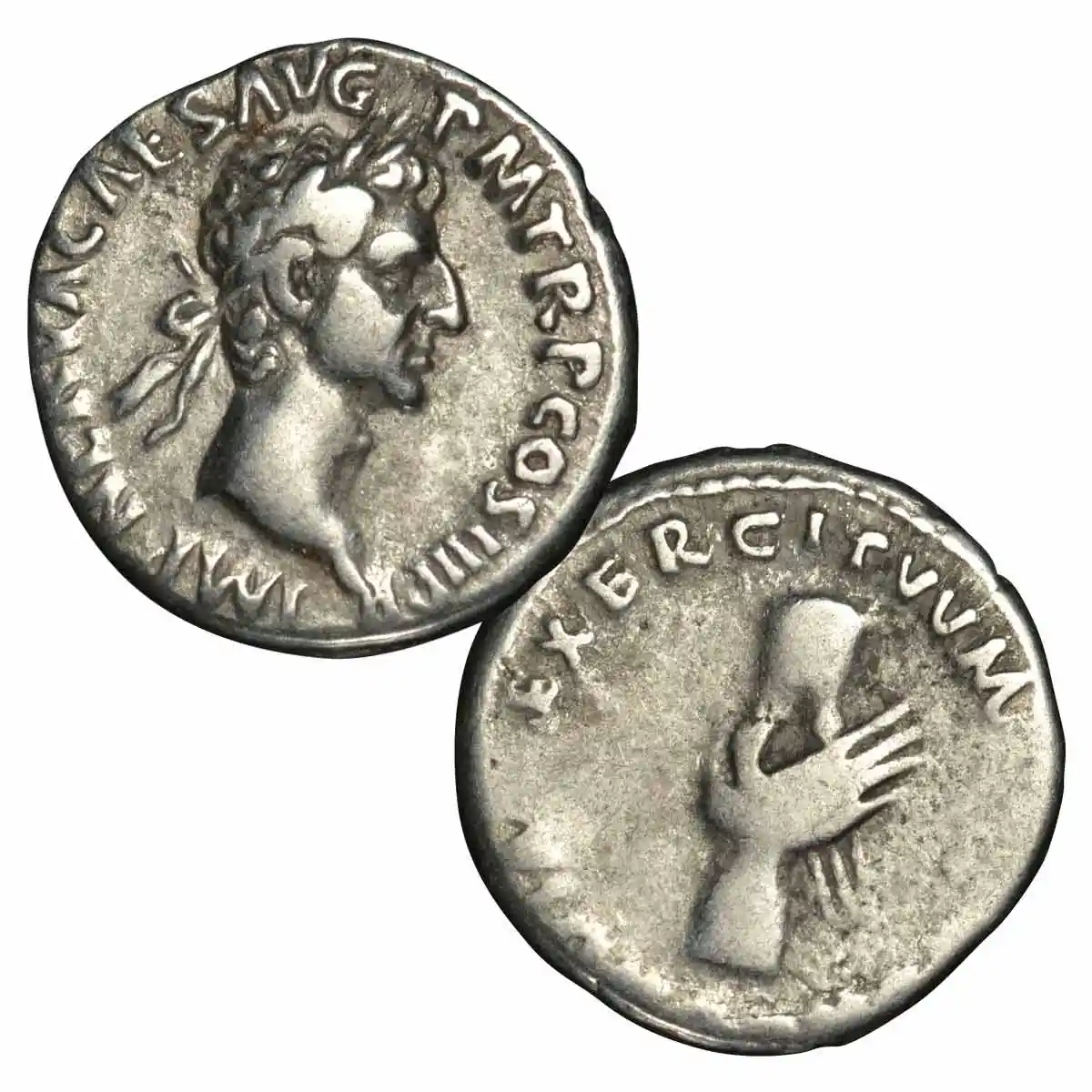
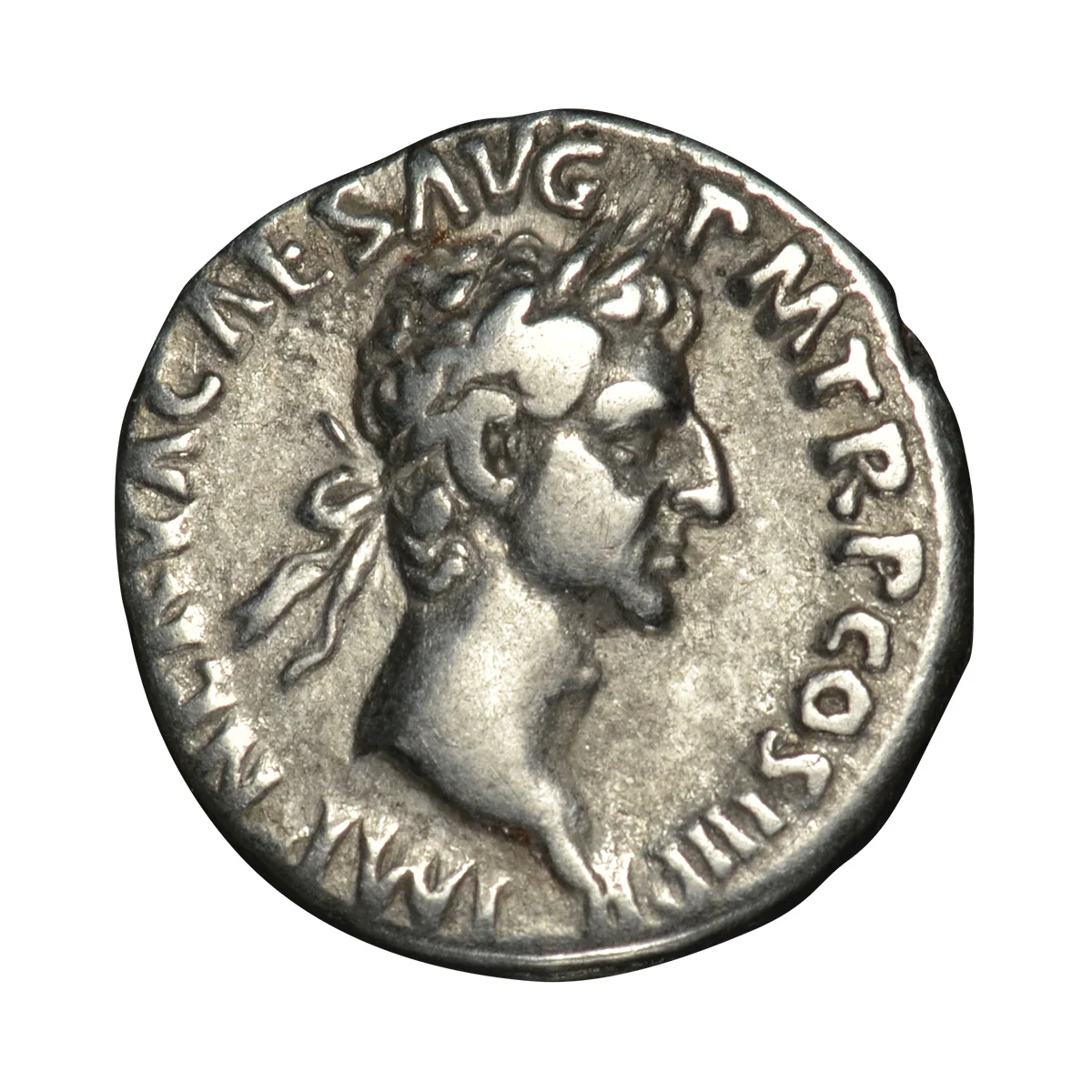
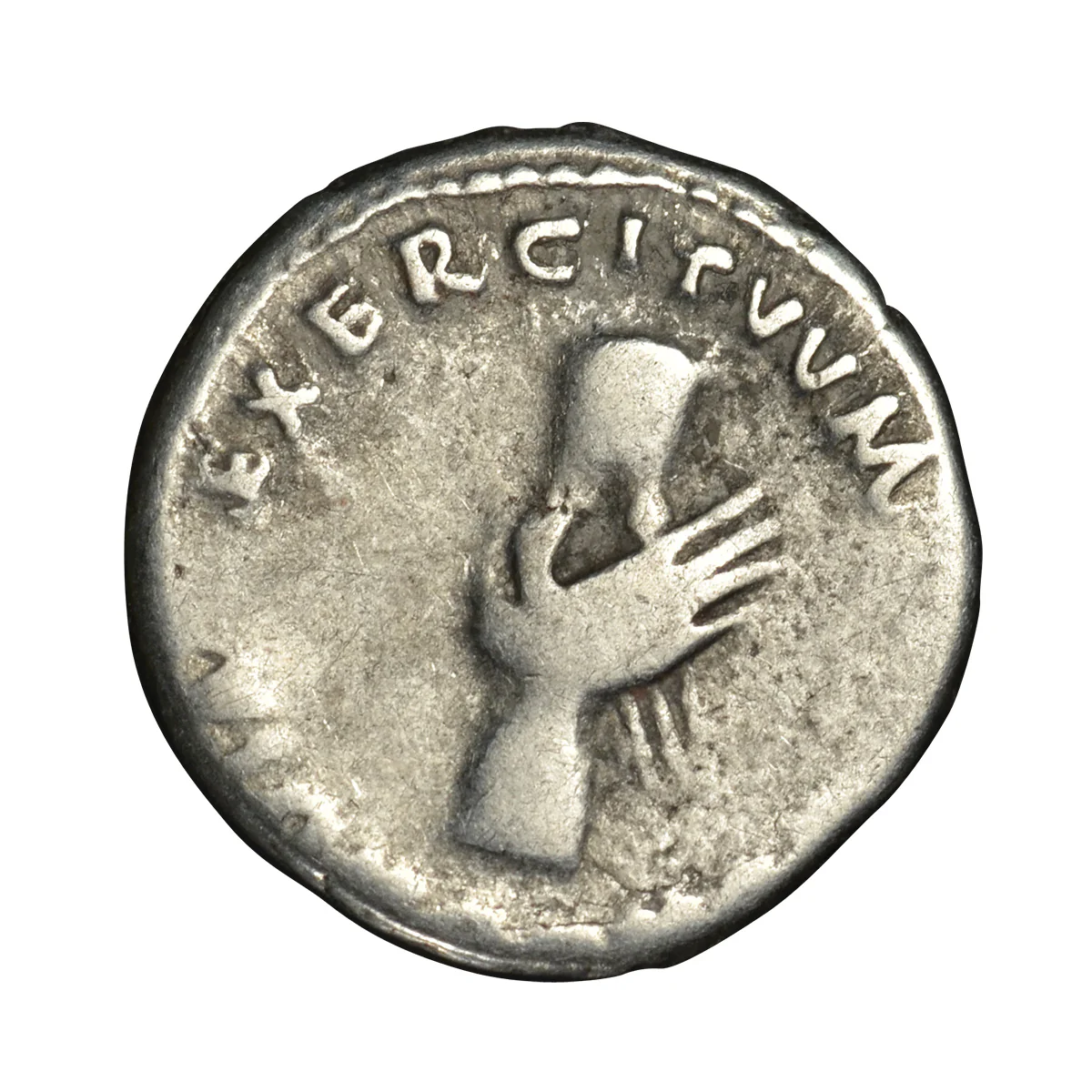
An authentic Roman artefact, the ‘Nerva Silver Denarius’ is sure to be a stand out piece in your growing collection.
Born Marcus Cocceius Nerva in 30AD, Nerva was the first in a succession of rulers known as the Five Good Emperors. Raised in a village outside of Rome called Narni, Nerva was a member of Italian nobility with his family being one of the most esteemed and prominent political families. Not pursing the traditional administrative or military career, Nerva become praetorelect in 65AD, moving in imperial circles as a skilled diplomat and strategist. Nerva also became an advisor to the Emperor Nero helping to expose the Pisonian conspiracy which led to him receiving triumphal honours (usually reserved for military victories) and the right to have his statues places throughout the palace.
After the Emperor Nero died, Nerva seemingly disappeared from the history books, resurfacing as a Consul during the reign of Domitian. In 96AD when Domitian was assassinated, the Senate proclaimed Nerva as Emperor which was seen as a somewhat controversial choice as Nerva was old, childless and has spent most of his career outside the public light. As an immediate gesture of goodwill towards his supporters, Nerva publicly swore that no senators would be put to death while he was in office, called an end to any trials of treason, released people from prison who had been convicted of treason and granted amnesty to anyone who has been exiled. To gain the support of the Roman people, Nerva also bestowed gifts and money, introduced economic reforms and tax exemptions to help the needy and gave land allotments to the poor.
Despite being popular with the Senate and Roman population, Nerva wasn’t so welcomed by the army, who maintained their support for Domitian. They thought Nerva’s monetary gifts weren’t sufficient and that his refusal to execute Domitian’s assassins was unjust. Nerva’s decision to stop treason trials also caused chaos in Rome with people trying to settle their own scores. He also received some backlash as he had no clear successor which led the Praetorian Guard to take siege of the Imperial Palace and take Nerva hostage forcing him to give into their demands including naming Trajan his heir.
In early 98AD, during the start of his fourth consulship, Nerva suffered a stroke and soon after developed a fever. Dying at his villa in the Gardens of Sallust, Nerva was deified by the Senate and his ashes were laid to rest in the Mausoleum of Augustus. It is believed that his successor, Trajan, dedicated a temple in Nerva’s honour, yet no trace of it has been founded. Ten years after his death a commemorative series of coins were issued in Nerva’s honour much like the ‘Nerva Silver Denarius’ you received today.
Product Information
Product Information
Shipping & Returns
Shipping & Returns
Roman Empire Nerva 96-98AD Silver Denarius Fine-Very Fine
Roman Empire Nerva 96-98AD Silver Denarius Fine-Very Fine
An authentic Roman artefact, the ‘Nerva Silver Denarius’ is sure to be a stand out piece in your growing collection.
Born Marcus Cocceius Nerva in 30AD, Nerva was the first in a succession of rulers known as the Five Good Emperors. Raised in a village outside of Rome called Narni, Nerva was a member of Italian nobility with his family being one of the most esteemed and prominent political families. Not pursing the traditional administrative or military career, Nerva become praetorelect in 65AD, moving in imperial circles as a skilled diplomat and strategist. Nerva also became an advisor to the Emperor Nero helping to expose the Pisonian conspiracy which led to him receiving triumphal honours (usually reserved for military victories) and the right to have his statues places throughout the palace.
After the Emperor Nero died, Nerva seemingly disappeared from the history books, resurfacing as a Consul during the reign of Domitian. In 96AD when Domitian was assassinated, the Senate proclaimed Nerva as Emperor which was seen as a somewhat controversial choice as Nerva was old, childless and has spent most of his career outside the public light. As an immediate gesture of goodwill towards his supporters, Nerva publicly swore that no senators would be put to death while he was in office, called an end to any trials of treason, released people from prison who had been convicted of treason and granted amnesty to anyone who has been exiled. To gain the support of the Roman people, Nerva also bestowed gifts and money, introduced economic reforms and tax exemptions to help the needy and gave land allotments to the poor.
Despite being popular with the Senate and Roman population, Nerva wasn’t so welcomed by the army, who maintained their support for Domitian. They thought Nerva’s monetary gifts weren’t sufficient and that his refusal to execute Domitian’s assassins was unjust. Nerva’s decision to stop treason trials also caused chaos in Rome with people trying to settle their own scores. He also received some backlash as he had no clear successor which led the Praetorian Guard to take siege of the Imperial Palace and take Nerva hostage forcing him to give into their demands including naming Trajan his heir.
In early 98AD, during the start of his fourth consulship, Nerva suffered a stroke and soon after developed a fever. Dying at his villa in the Gardens of Sallust, Nerva was deified by the Senate and his ashes were laid to rest in the Mausoleum of Augustus. It is believed that his successor, Trajan, dedicated a temple in Nerva’s honour, yet no trace of it has been founded. Ten years after his death a commemorative series of coins were issued in Nerva’s honour much like the ‘Nerva Silver Denarius’ you received today.
Product Information
Product Information
Shipping & Returns
Shipping & Returns
Description
An authentic Roman artefact, the ‘Nerva Silver Denarius’ is sure to be a stand out piece in your growing collection.
Born Marcus Cocceius Nerva in 30AD, Nerva was the first in a succession of rulers known as the Five Good Emperors. Raised in a village outside of Rome called Narni, Nerva was a member of Italian nobility with his family being one of the most esteemed and prominent political families. Not pursing the traditional administrative or military career, Nerva become praetorelect in 65AD, moving in imperial circles as a skilled diplomat and strategist. Nerva also became an advisor to the Emperor Nero helping to expose the Pisonian conspiracy which led to him receiving triumphal honours (usually reserved for military victories) and the right to have his statues places throughout the palace.
After the Emperor Nero died, Nerva seemingly disappeared from the history books, resurfacing as a Consul during the reign of Domitian. In 96AD when Domitian was assassinated, the Senate proclaimed Nerva as Emperor which was seen as a somewhat controversial choice as Nerva was old, childless and has spent most of his career outside the public light. As an immediate gesture of goodwill towards his supporters, Nerva publicly swore that no senators would be put to death while he was in office, called an end to any trials of treason, released people from prison who had been convicted of treason and granted amnesty to anyone who has been exiled. To gain the support of the Roman people, Nerva also bestowed gifts and money, introduced economic reforms and tax exemptions to help the needy and gave land allotments to the poor.
Despite being popular with the Senate and Roman population, Nerva wasn’t so welcomed by the army, who maintained their support for Domitian. They thought Nerva’s monetary gifts weren’t sufficient and that his refusal to execute Domitian’s assassins was unjust. Nerva’s decision to stop treason trials also caused chaos in Rome with people trying to settle their own scores. He also received some backlash as he had no clear successor which led the Praetorian Guard to take siege of the Imperial Palace and take Nerva hostage forcing him to give into their demands including naming Trajan his heir.
In early 98AD, during the start of his fourth consulship, Nerva suffered a stroke and soon after developed a fever. Dying at his villa in the Gardens of Sallust, Nerva was deified by the Senate and his ashes were laid to rest in the Mausoleum of Augustus. It is believed that his successor, Trajan, dedicated a temple in Nerva’s honour, yet no trace of it has been founded. Ten years after his death a commemorative series of coins were issued in Nerva’s honour much like the ‘Nerva Silver Denarius’ you received today.