Mysia Pergamon c310-282BC Silver Diobol Fine-Very Fine
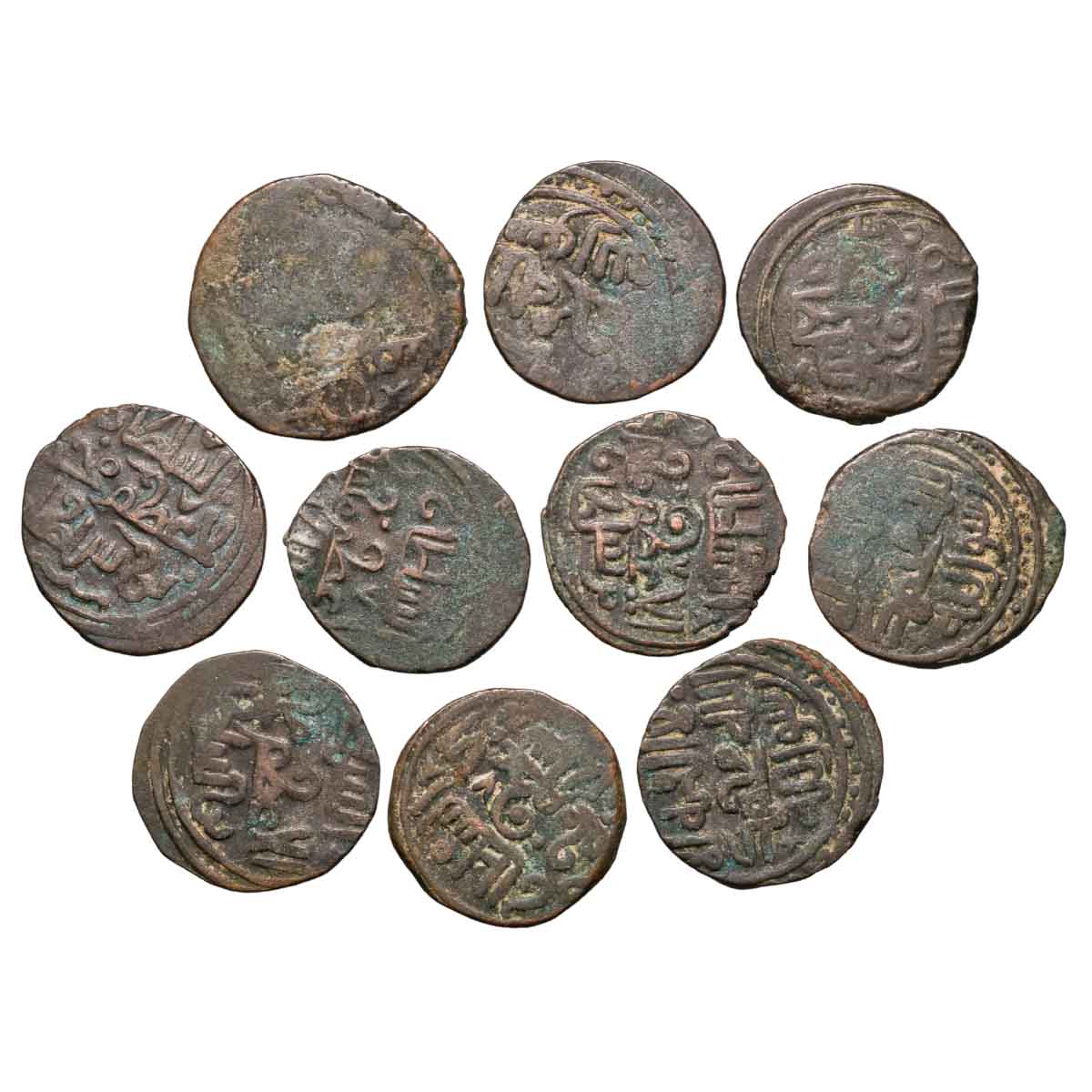
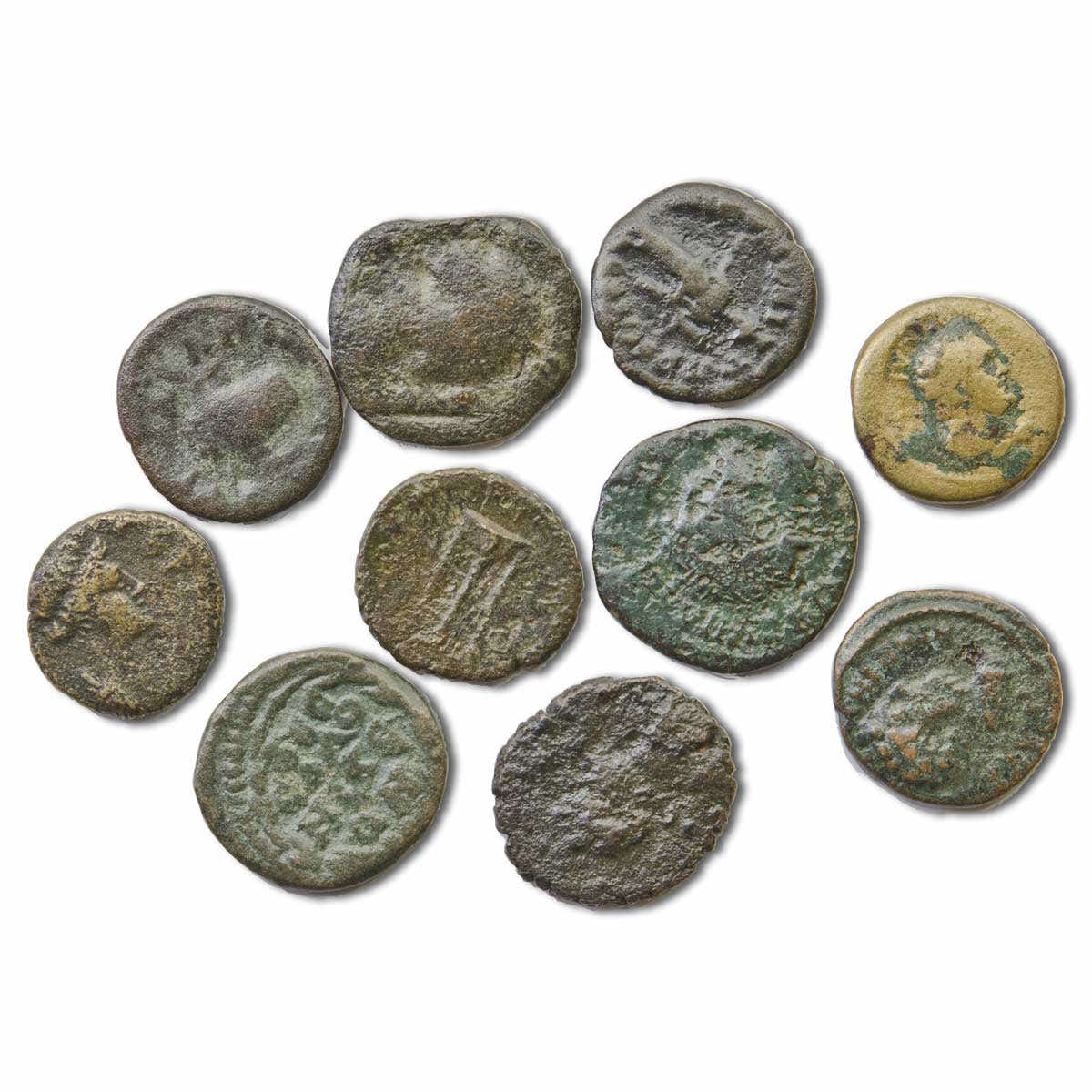
A genuine artefact of Ancient Greece, issued by the successors of the legendary Alexander the Great, we are delighted to present these 2,300-year-old silver coins from the Ancient city of Pergamon in Mysia, Asia Minor.
Pergamon was controlled, either directly or indirectly, by the Ancient Persians until the time of Alexander the Great (356-323BC). After Alexander’s death, his large empire was carved up by his generals and successors, with Antigonus I Monophthalmus (the One-Eyed) ruling Asia Minor until 301BC. It was in 301BC that Antigonus was defeated and killed by a coalition of Alexander’s other successors, including Lysimachus. Once a bodyguard of Alexander, and one of his most trusted friends, Lysimachus ruled Pergamon until his own death in 281BC, after which it became an independent kingdom of the Attalid Dynasty.
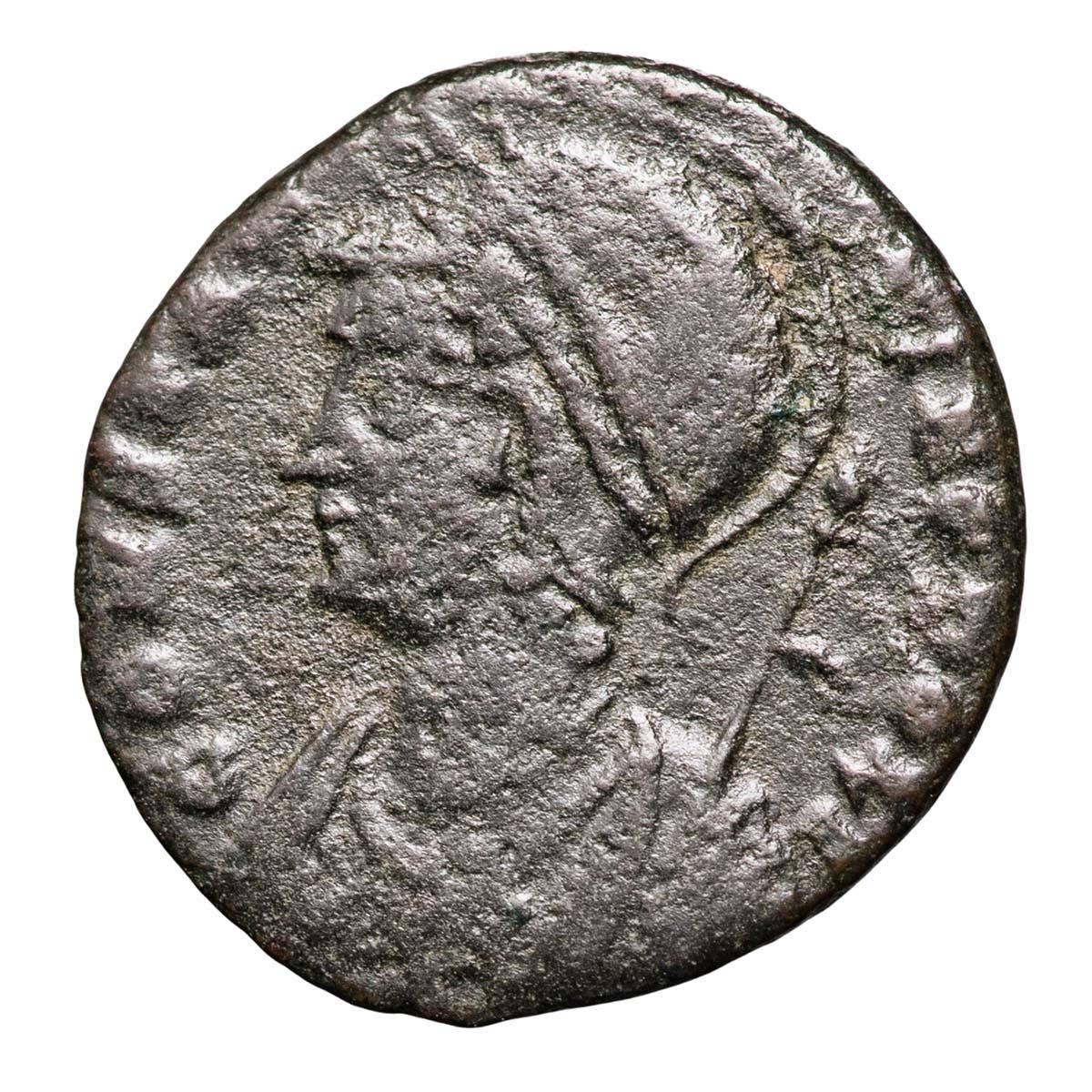
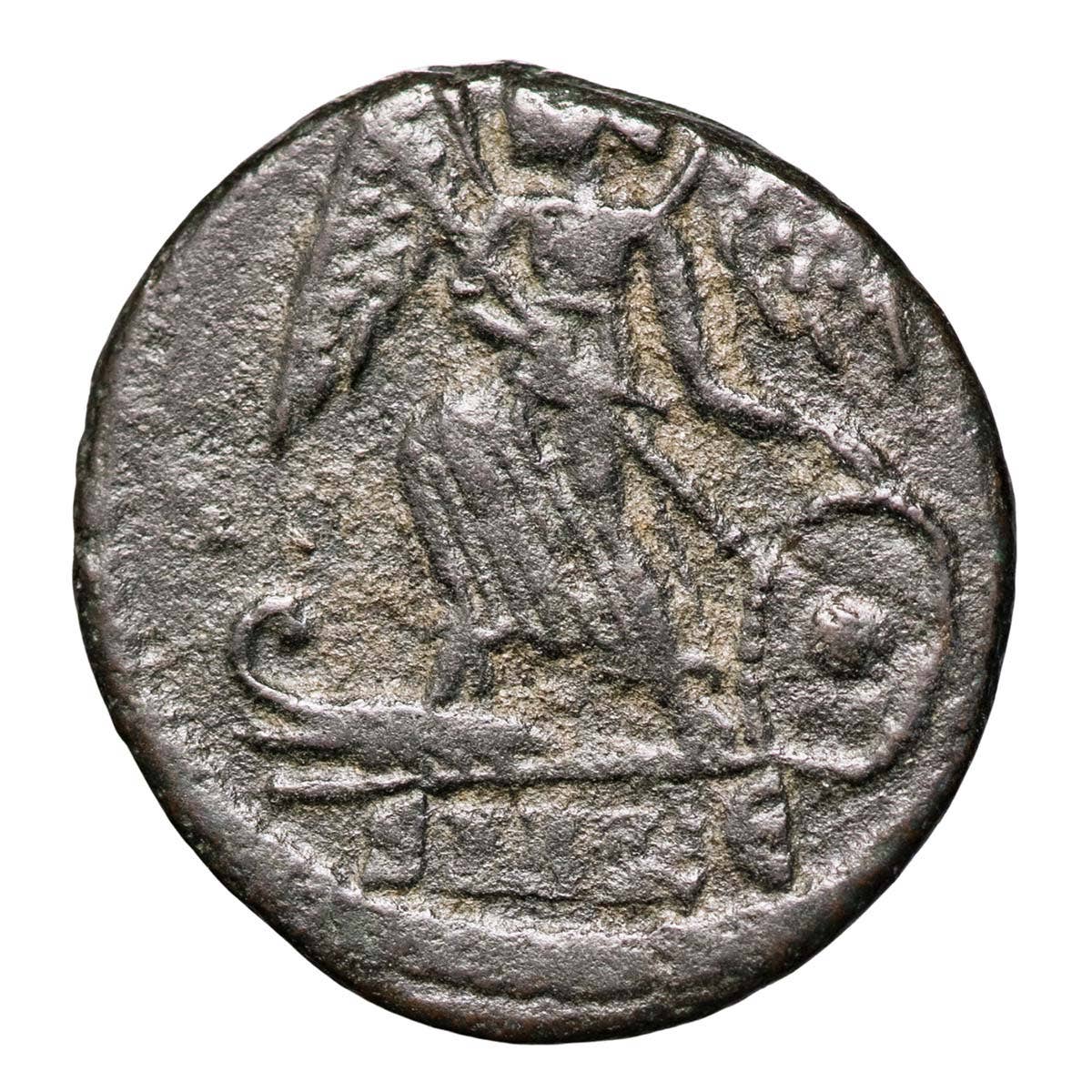
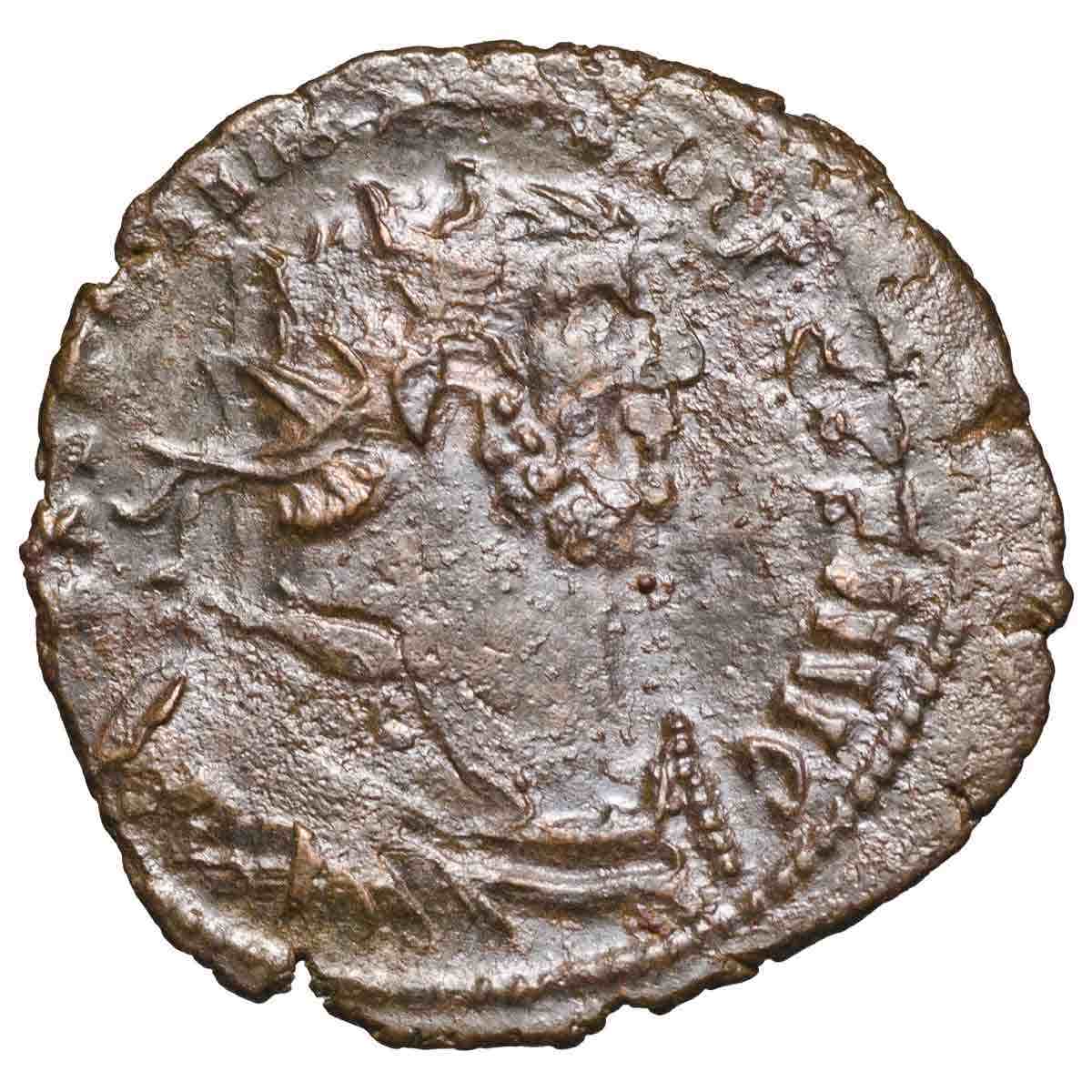
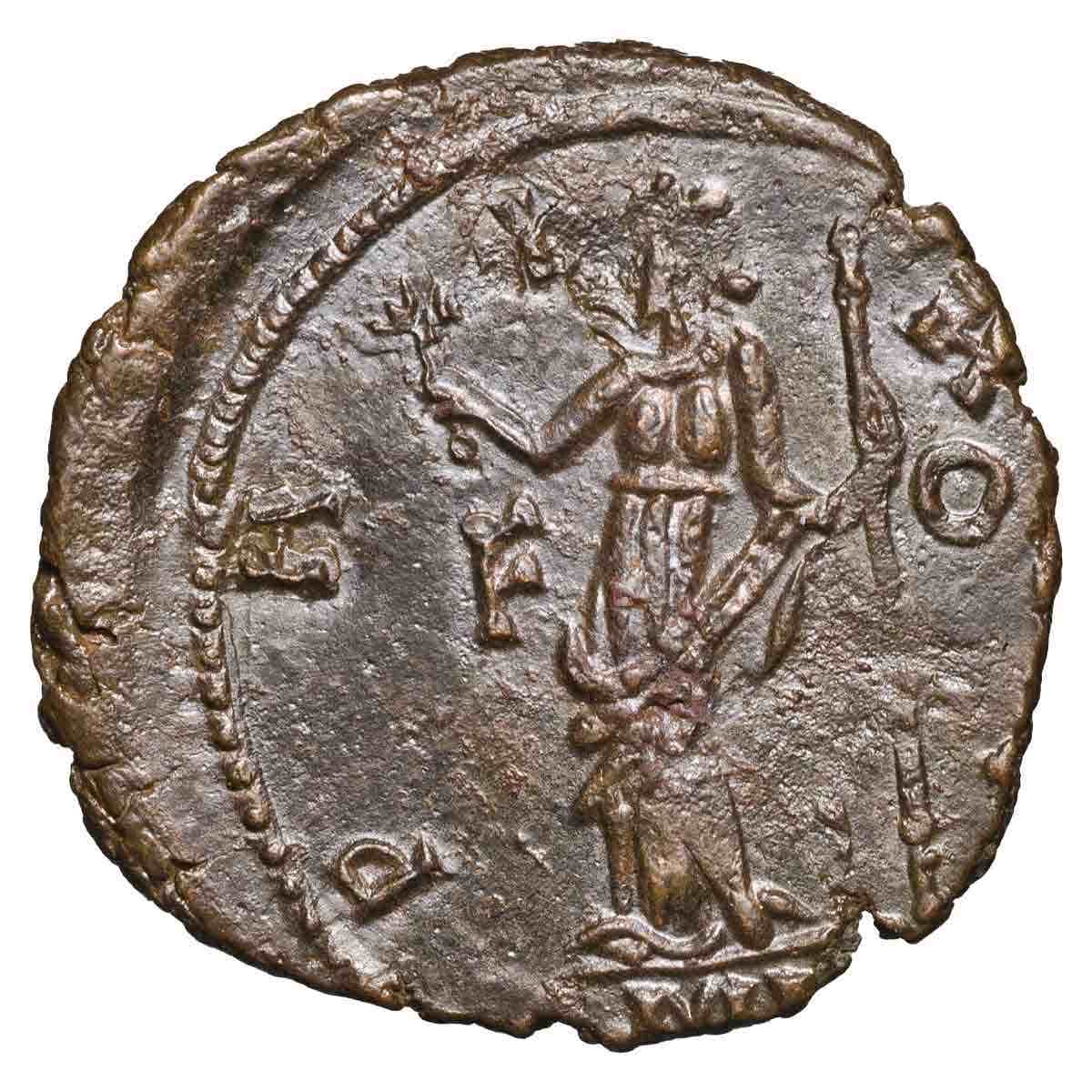
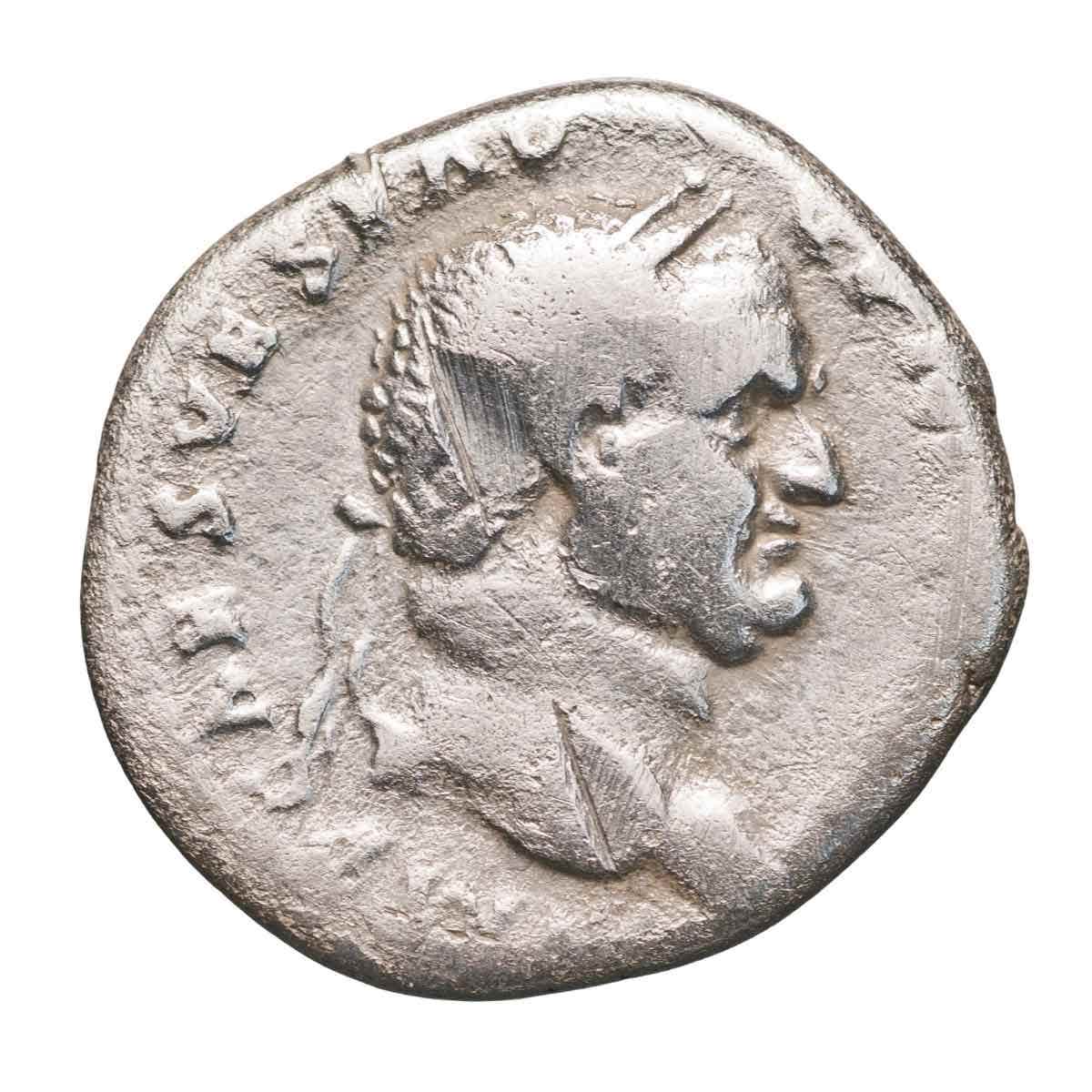
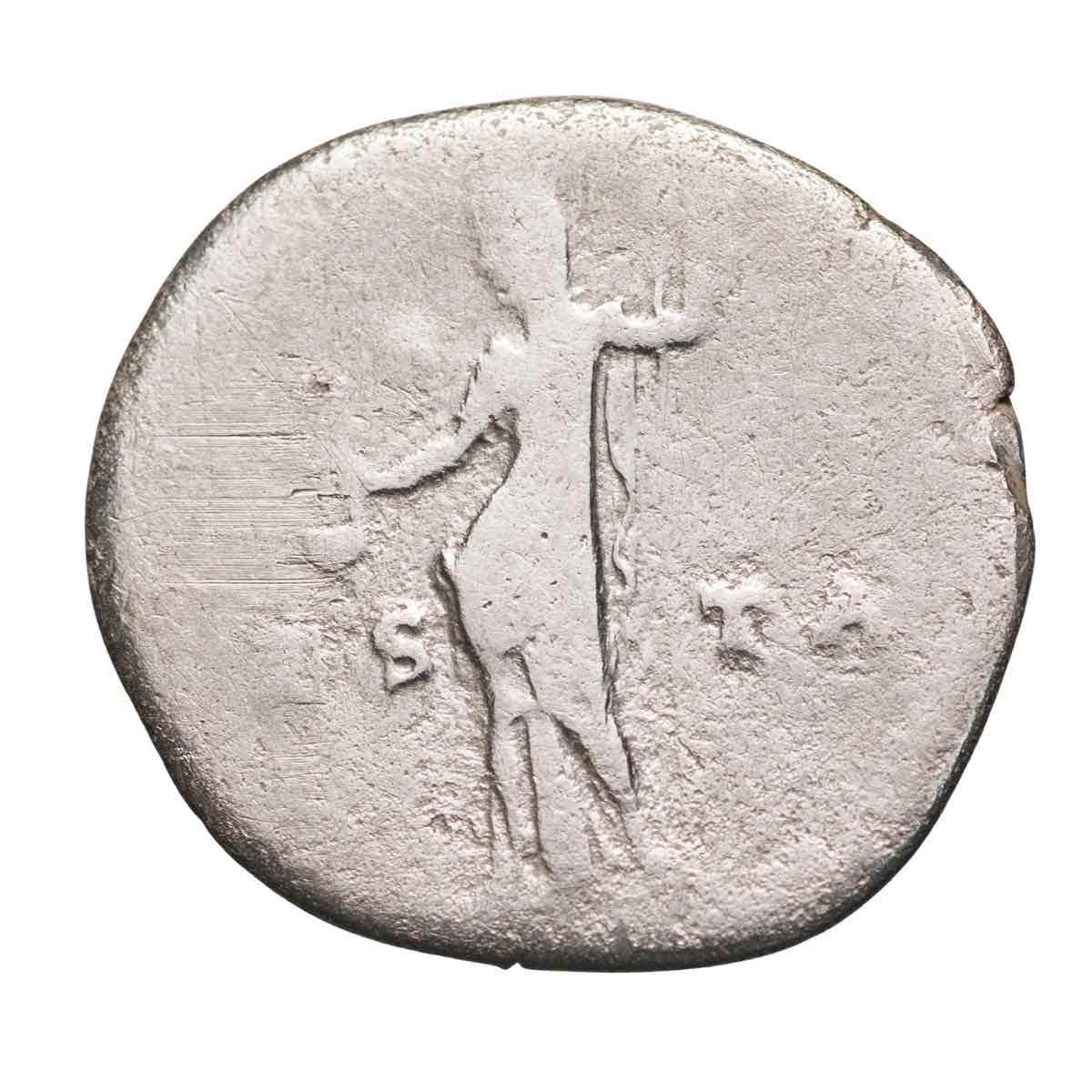
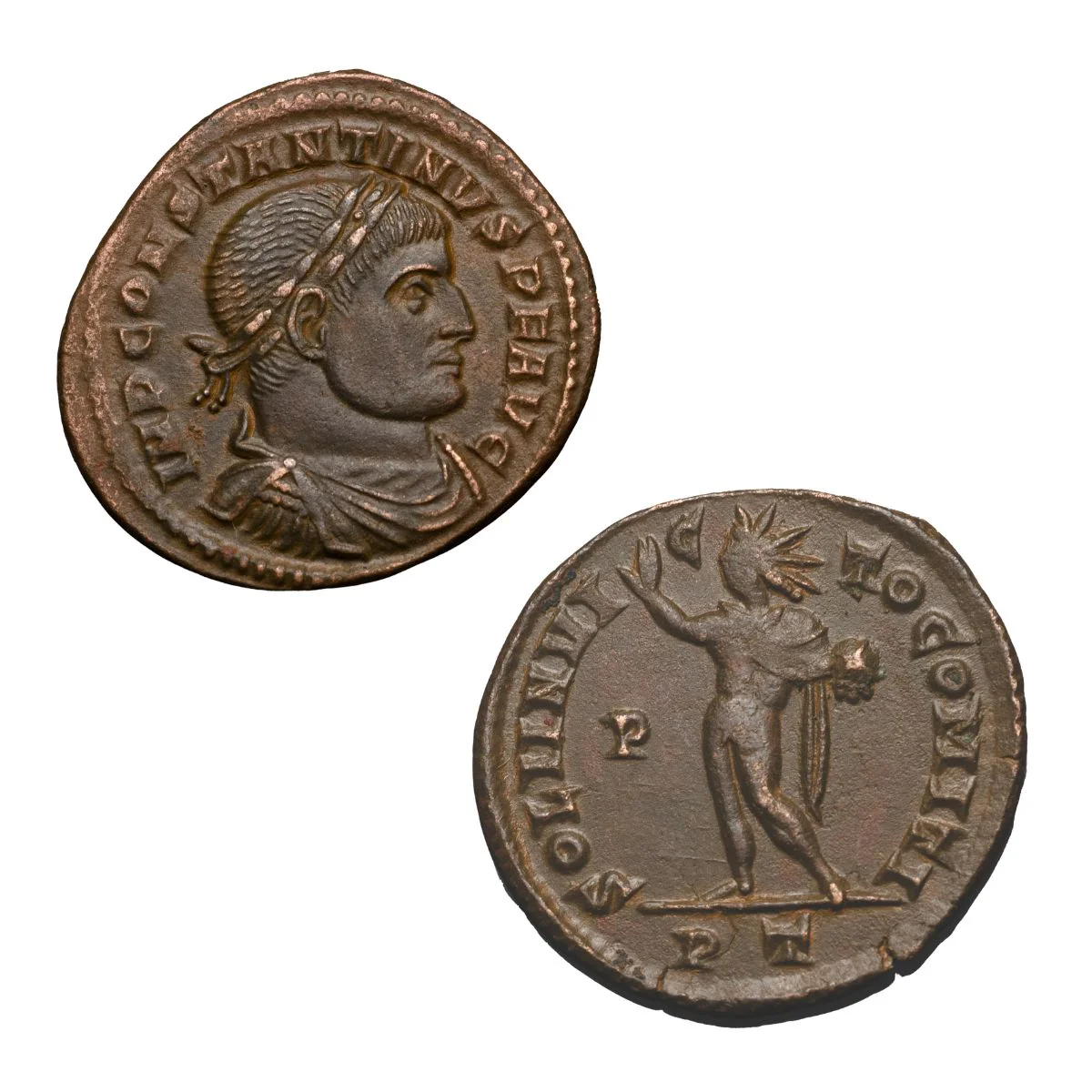
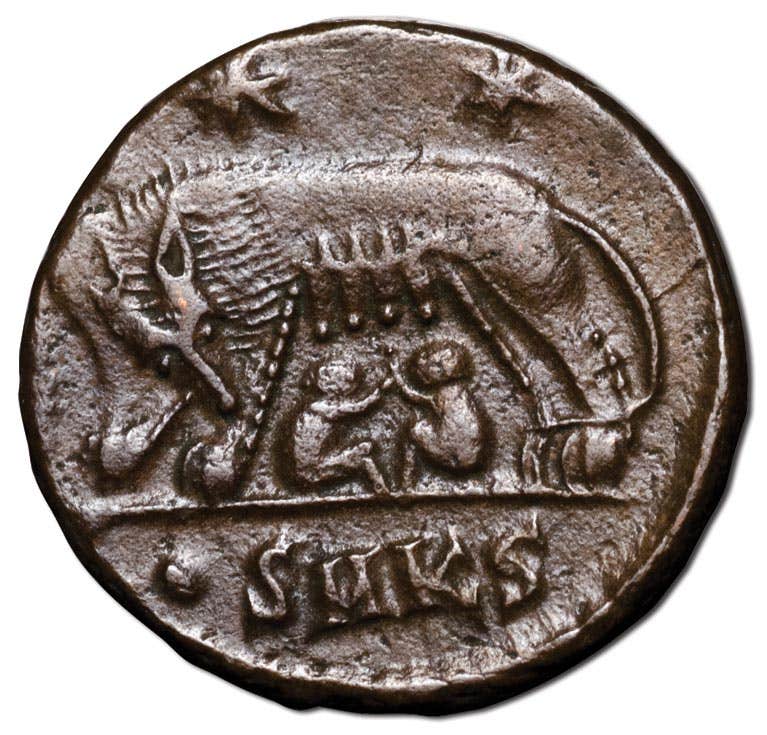
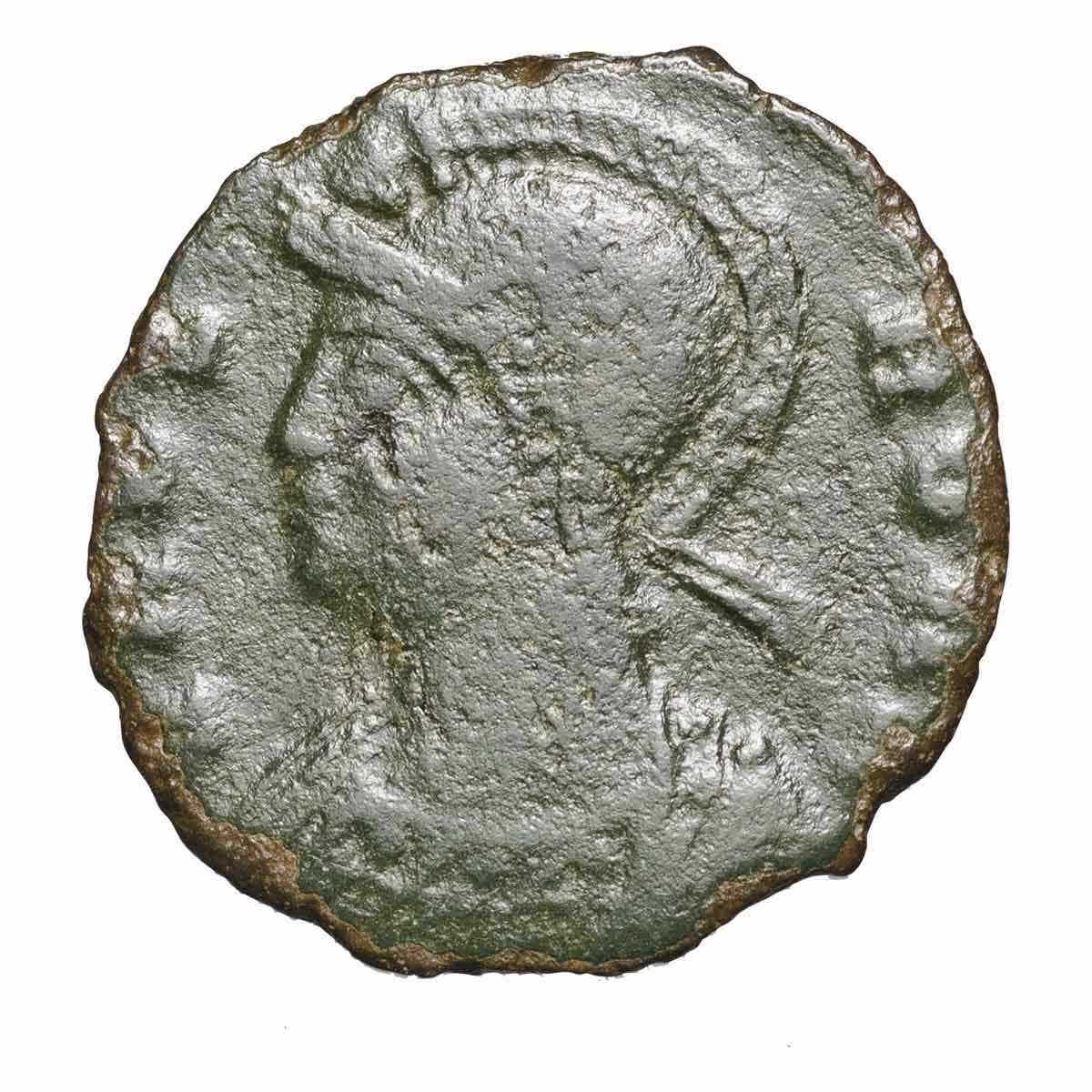
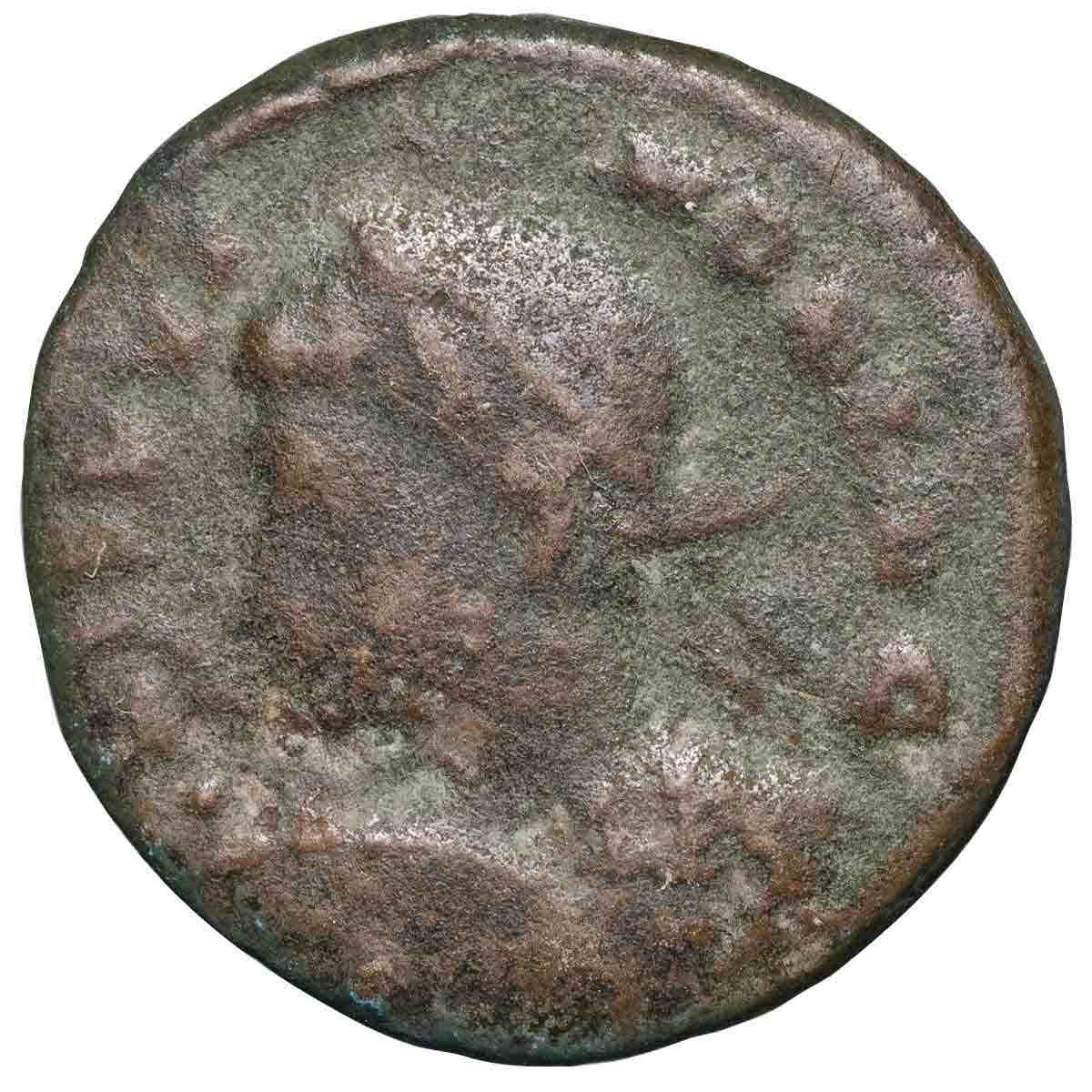
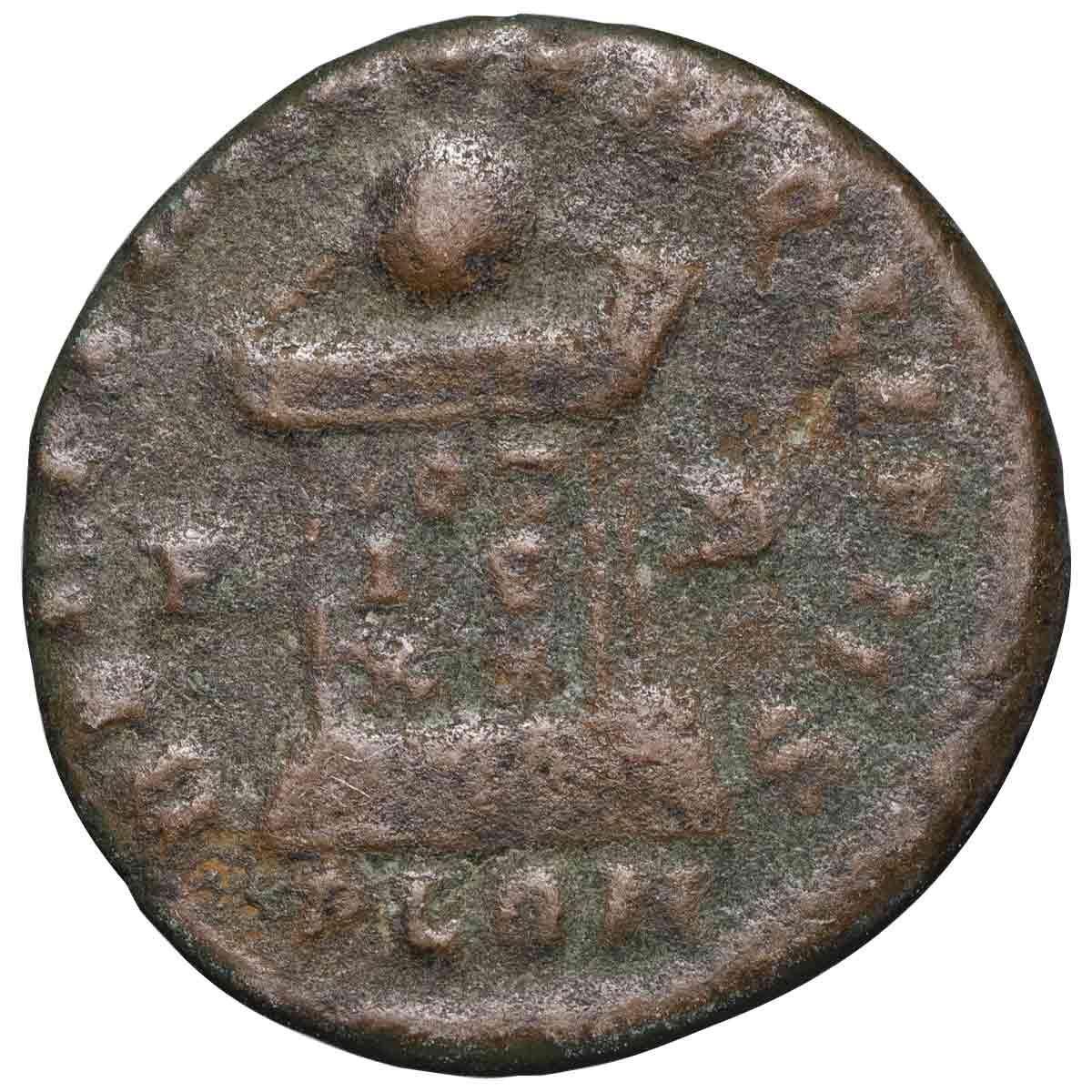
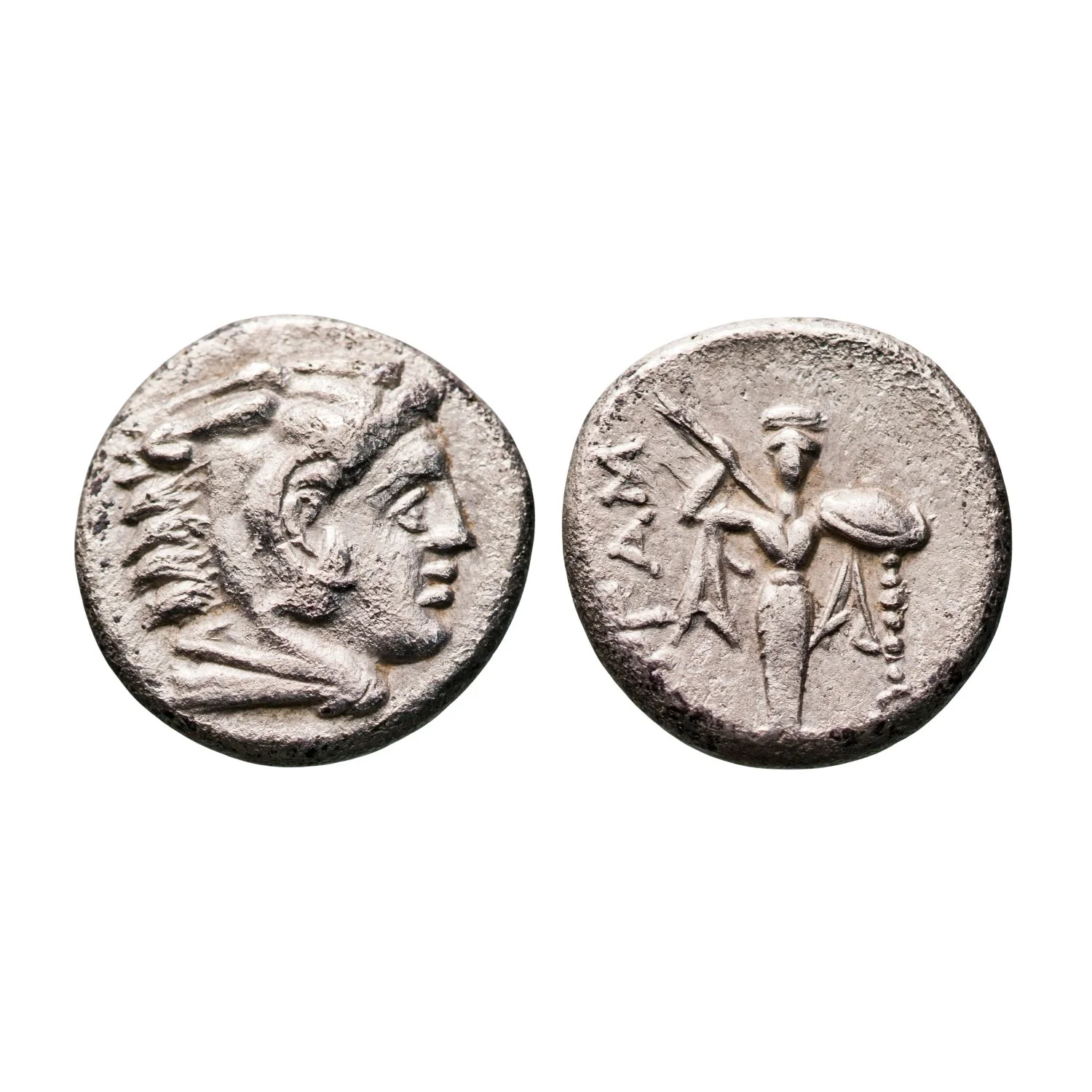
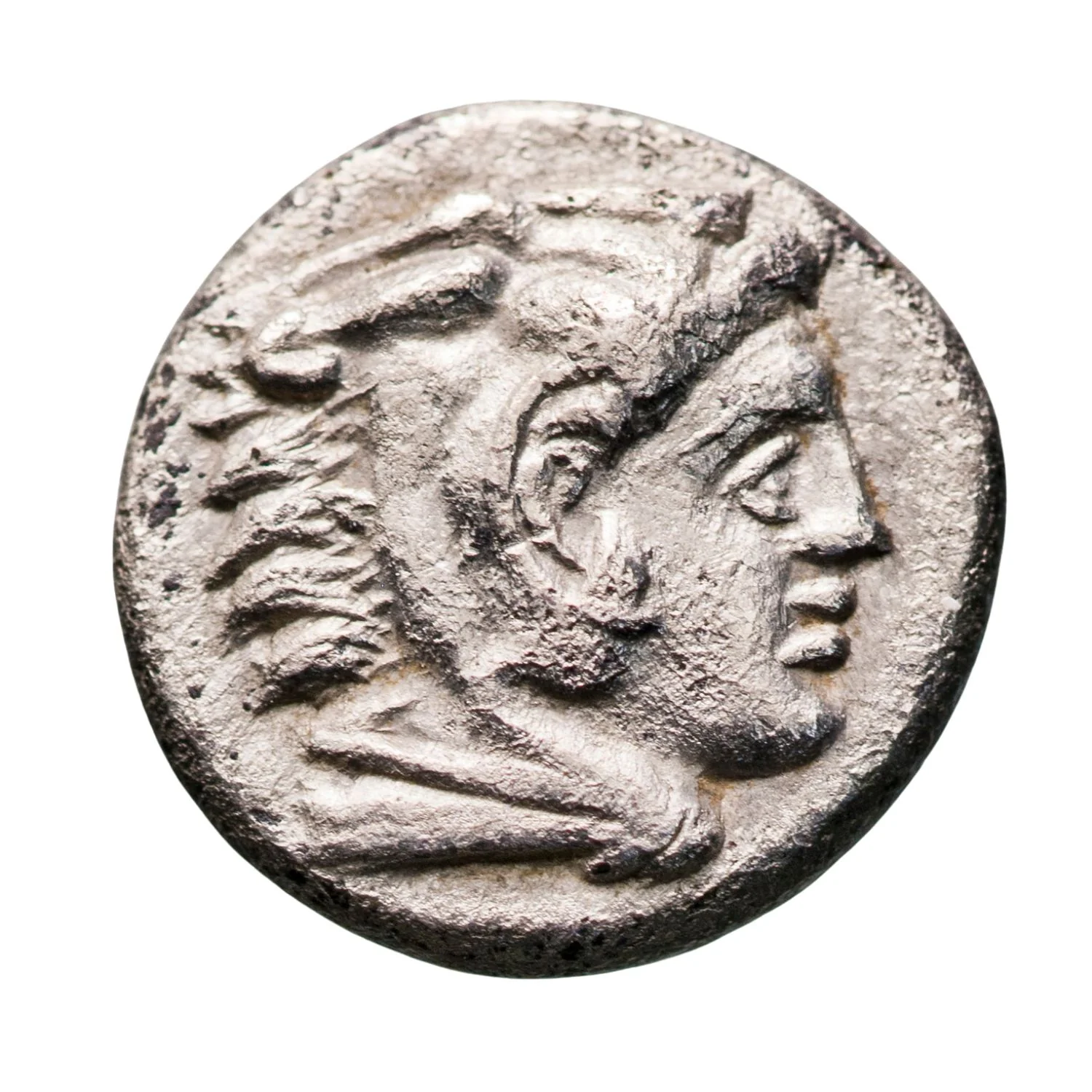
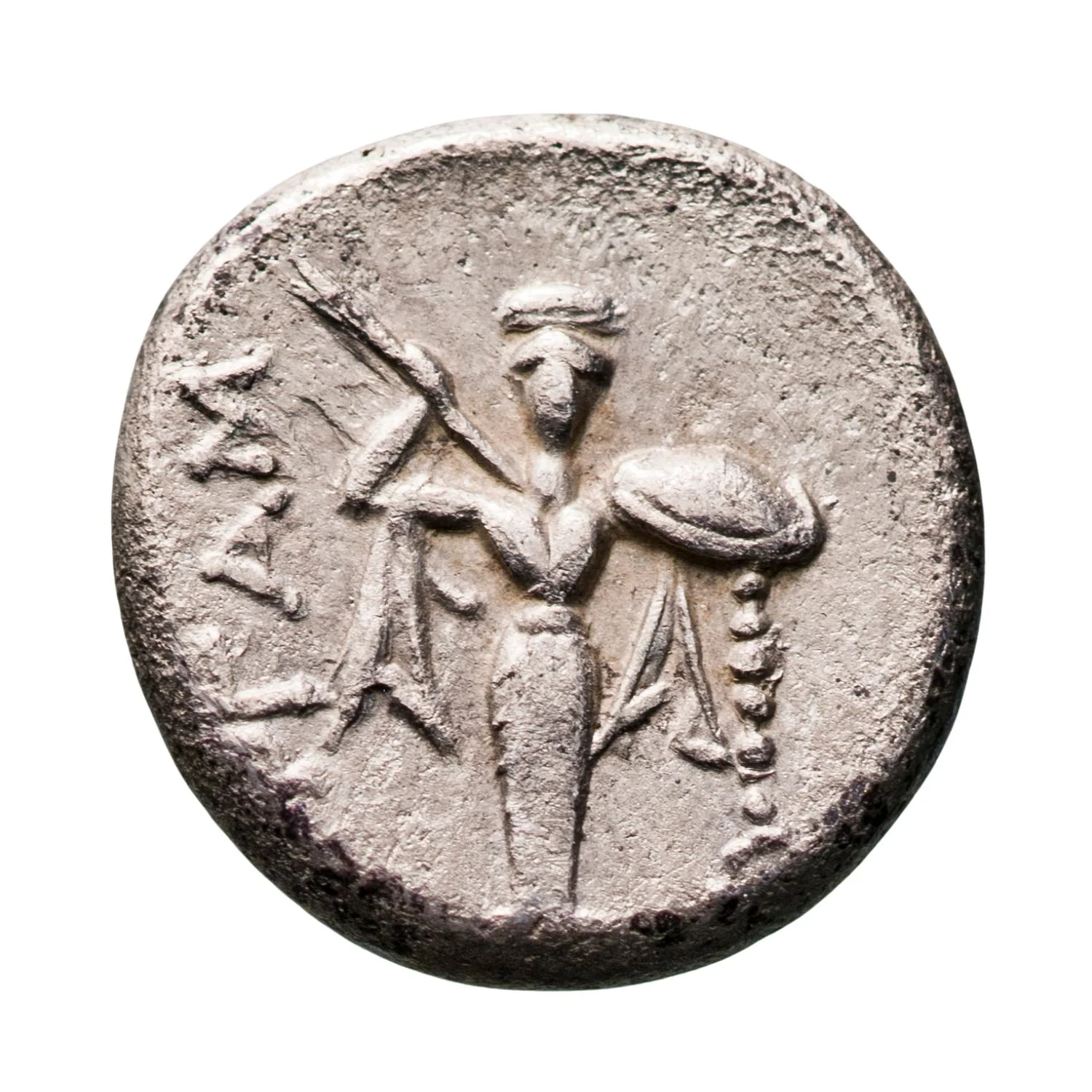
Issued from 310BC until 282BC, the Mysia Silver Diobol coins before you were struck during this tumultuous struggle for power. As with so many coins struck in the aftermath of the death of Alexander the Great, the Mysia Silver Diobols were largely based on coin types issued during his reign. Upon the reverse, we find the classic Alexander motif, with the divine hero of Greek Mythology, Herakles, depicted wearing the Nemean lion skin. The Greek goddess of wisdom, war and reason, and patron of Athens, a statue of Athena graces the obverse.
Extraordinarily affordable given the rich history, antiquity and state of preservation, we have just a few examples of the Ancient Greek Mysia Silver Diobol in Fine to Very Fine condition. Click add to cart now!
Product Information
Product Information
Shipping & Returns
Shipping & Returns
Mysia Pergamon c310-282BC Silver Diobol Fine-Very Fine
Mysia Pergamon c310-282BC Silver Diobol Fine-Very Fine
A genuine artefact of Ancient Greece, issued by the successors of the legendary Alexander the Great, we are delighted to present these 2,300-year-old silver coins from the Ancient city of Pergamon in Mysia, Asia Minor.
Pergamon was controlled, either directly or indirectly, by the Ancient Persians until the time of Alexander the Great (356-323BC). After Alexander’s death, his large empire was carved up by his generals and successors, with Antigonus I Monophthalmus (the One-Eyed) ruling Asia Minor until 301BC. It was in 301BC that Antigonus was defeated and killed by a coalition of Alexander’s other successors, including Lysimachus. Once a bodyguard of Alexander, and one of his most trusted friends, Lysimachus ruled Pergamon until his own death in 281BC, after which it became an independent kingdom of the Attalid Dynasty.
Issued from 310BC until 282BC, the Mysia Silver Diobol coins before you were struck during this tumultuous struggle for power. As with so many coins struck in the aftermath of the death of Alexander the Great, the Mysia Silver Diobols were largely based on coin types issued during his reign. Upon the reverse, we find the classic Alexander motif, with the divine hero of Greek Mythology, Herakles, depicted wearing the Nemean lion skin. The Greek goddess of wisdom, war and reason, and patron of Athens, a statue of Athena graces the obverse.
Extraordinarily affordable given the rich history, antiquity and state of preservation, we have just a few examples of the Ancient Greek Mysia Silver Diobol in Fine to Very Fine condition. Click add to cart now!
Product Information
Product Information
Shipping & Returns
Shipping & Returns
Description
A genuine artefact of Ancient Greece, issued by the successors of the legendary Alexander the Great, we are delighted to present these 2,300-year-old silver coins from the Ancient city of Pergamon in Mysia, Asia Minor.
Pergamon was controlled, either directly or indirectly, by the Ancient Persians until the time of Alexander the Great (356-323BC). After Alexander’s death, his large empire was carved up by his generals and successors, with Antigonus I Monophthalmus (the One-Eyed) ruling Asia Minor until 301BC. It was in 301BC that Antigonus was defeated and killed by a coalition of Alexander’s other successors, including Lysimachus. Once a bodyguard of Alexander, and one of his most trusted friends, Lysimachus ruled Pergamon until his own death in 281BC, after which it became an independent kingdom of the Attalid Dynasty.
Issued from 310BC until 282BC, the Mysia Silver Diobol coins before you were struck during this tumultuous struggle for power. As with so many coins struck in the aftermath of the death of Alexander the Great, the Mysia Silver Diobols were largely based on coin types issued during his reign. Upon the reverse, we find the classic Alexander motif, with the divine hero of Greek Mythology, Herakles, depicted wearing the Nemean lion skin. The Greek goddess of wisdom, war and reason, and patron of Athens, a statue of Athena graces the obverse.
Extraordinarily affordable given the rich history, antiquity and state of preservation, we have just a few examples of the Ancient Greek Mysia Silver Diobol in Fine to Very Fine condition. Click add to cart now!