Ancient Greece Pontus c85-65BC Mithradates VI Eupator Bronze Fine-Very Fine Coin
A genuine artefact of Ancient Greece, struck well over 2,000 years ago, we are delighted to present this remarkably affordable coin from the reign of Mithradates the Great – one of the most formidable foes of Ancient Rome!
Mithradates was born in 135BC in Sinope, in the Kingdom of Pontus in Asia Minor – modern Turkey. In 120BC, at the age of just 15, he became co-ruler of the kingdom, although his mother held sway as regent. Fearing for his life, with his mother favouring his brother, Mithradates fled, returning to reclaim the throne circa 115BC. Having thrown his mother and brother into prison, where they soon died, Mithradates extended the influence of the Pontic Empire, before turning his attention to Rome.
The Roman Republic was increasingly dominant in Asia and the Hellenic world during this period, and Mithradates was determined to break their hegemony. Having defeated an invading army led by the Romans, the forces of Mithradates massacred as many as 80,000 Roman settlers in 88BC, provoking the Republic to launch a major offensive in a bid to remove him from power. The First Mithridatic War, as it is known, ended inconclusively in 84BC, and was soon followed by the Second Mithridatic War (83-81BC). Again, the Romans could not inflict the decisive defeat they sought, and Mithradates avoided further conflict with the Republic for the best part of a decade.
In 73BC, however, with the Romans attempting to exert their influence in the region, Mithradates attacked, sparking the Third Mithridatic War. It proved to be one battle too many for the aging King of Pontus, and after having his army routed by the famous Roman general Pompey the Great in 66BC, he fled east. Hoping to raise another army to take on the might of the Republic, Mithradates was refused help by one son – who he had killed – before another son rose up in rebellion. Having lost all hope, and seeking to avoid the ignominy of being led in a triumphal procession in Rome, Mithradates withdrew to his citadel in the Crimea where he planned to commit suicide – which proved more difficult than one might imagine.
One of the greatest legacies of Mithradates VI, King of Pontus, is known as ‘Mithridatism’ – the practice of protecting oneself against poison by ingesting sub-lethal amounts. As his father had been assassinated by poison at a lavish banquet he had held, Mithradates was obsessed with avoiding the same fate. Thus, he studied toxins at length, and regularly ingested small amounts of poison to build his immunity. His obsession may well have played a role in his longevity, but, ironically, it proved a significant barrier when he attempted to commit suicide! Having used poison to dispatched his wife and daughters, the same poison failed to kill him! Although reports vary, it is likely that Mithradates sought the assistance of one of his bodyguards, who dispatched the king with his sword.
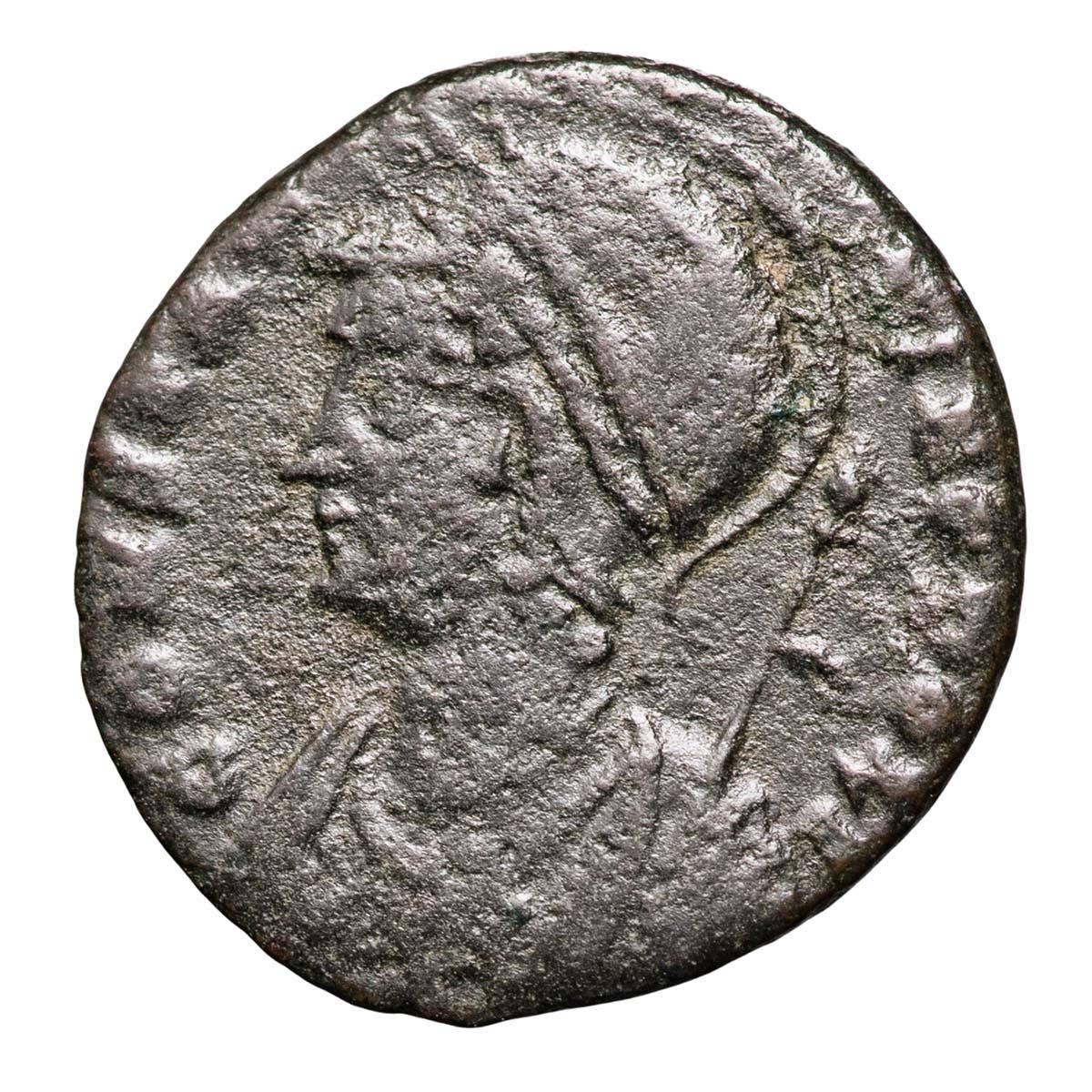
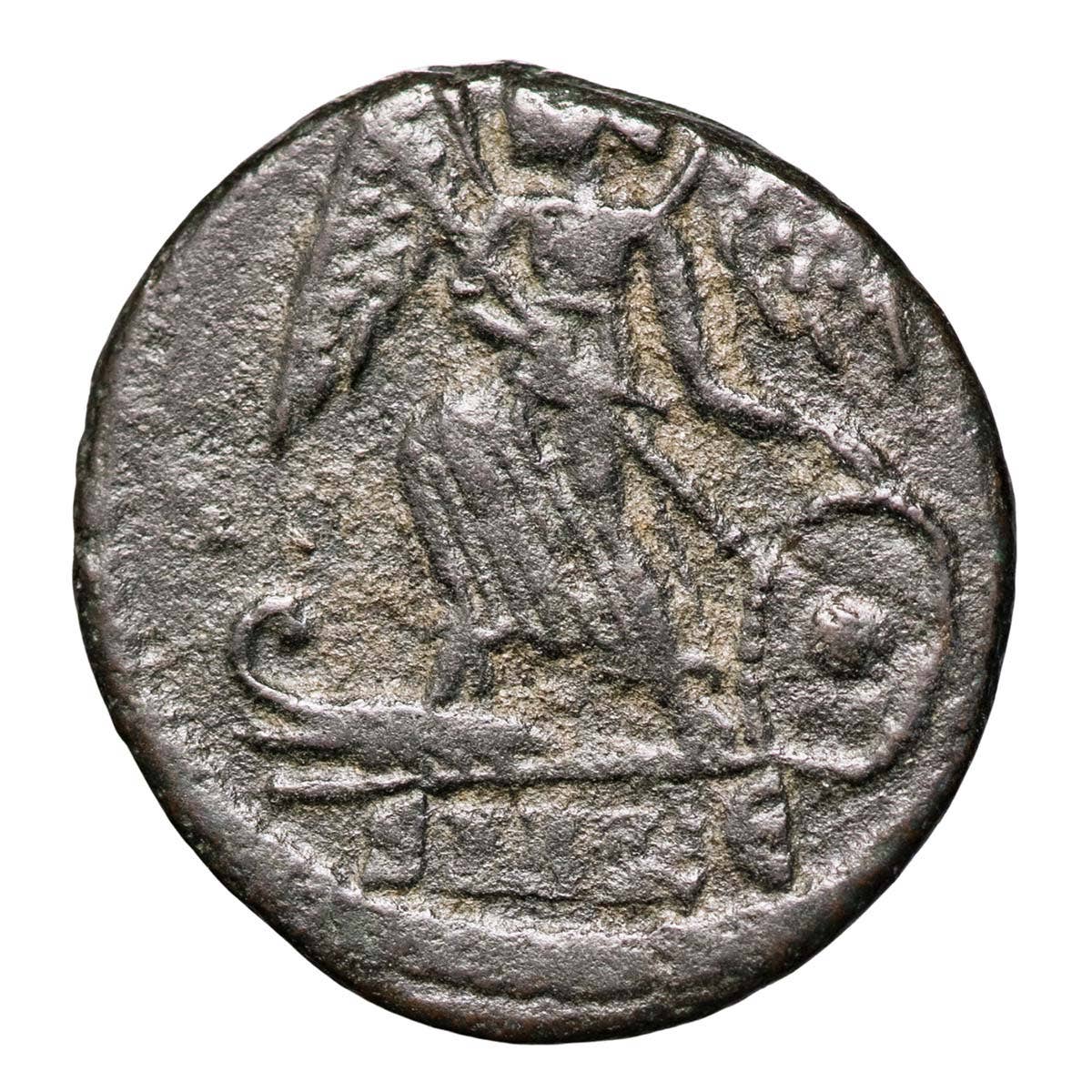
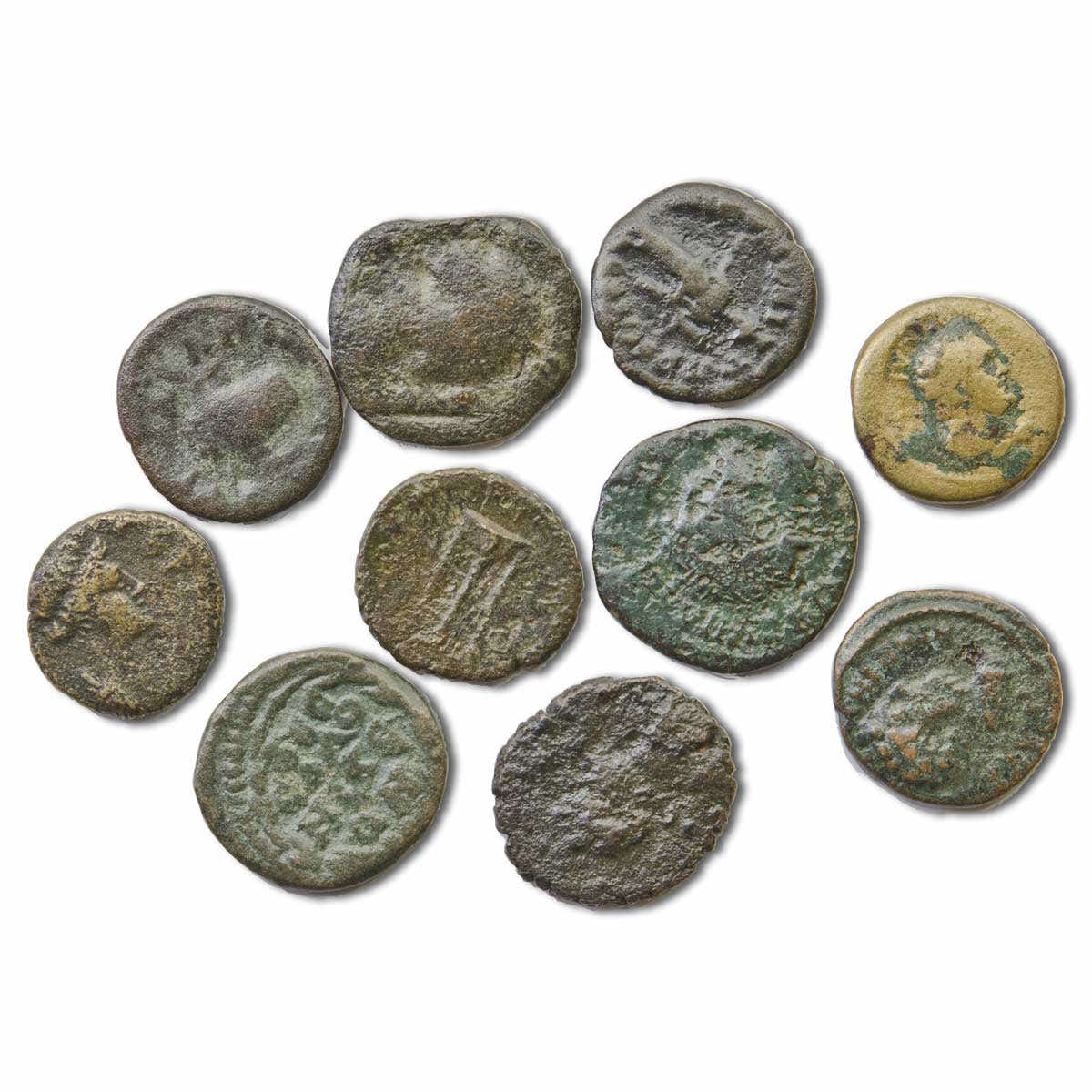
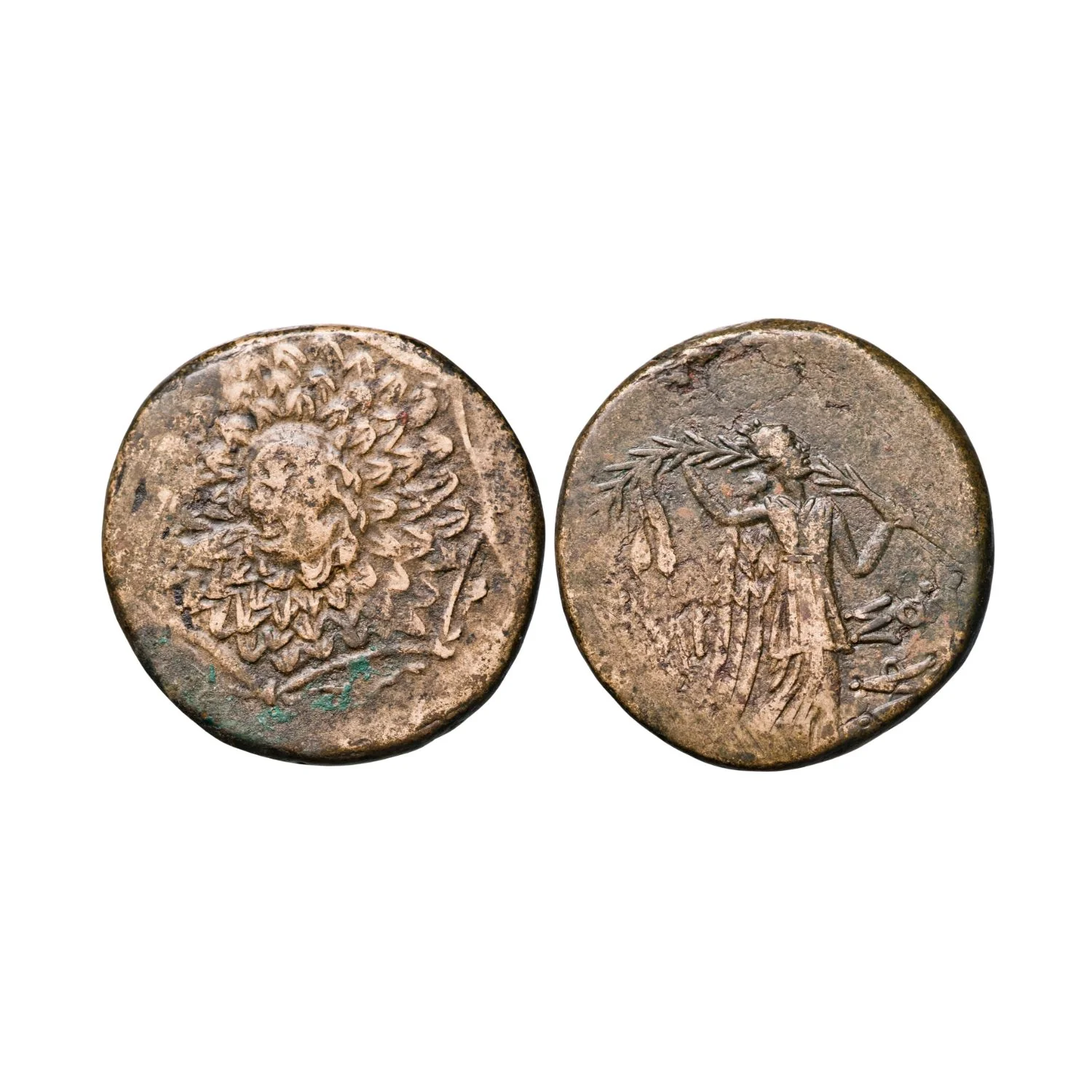
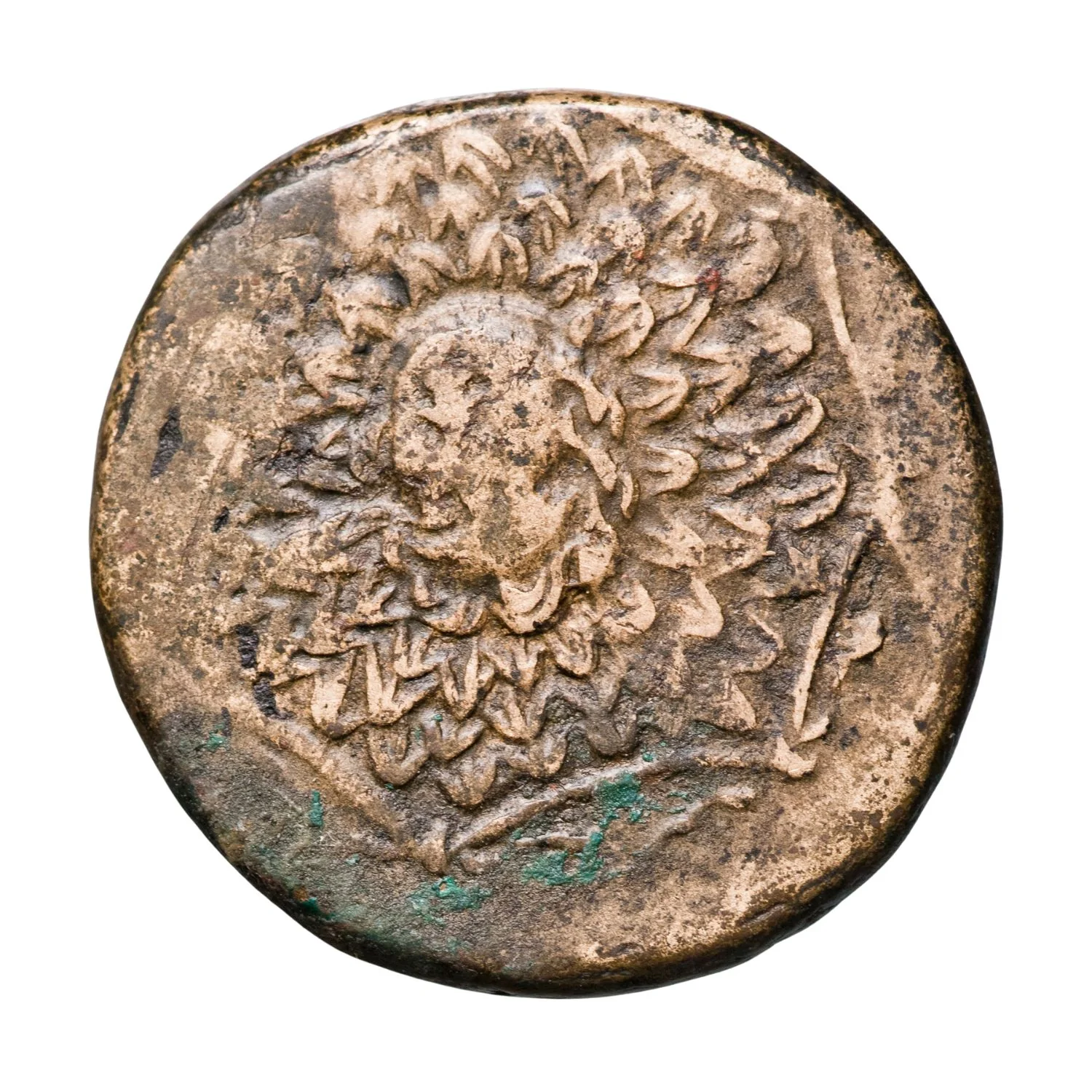
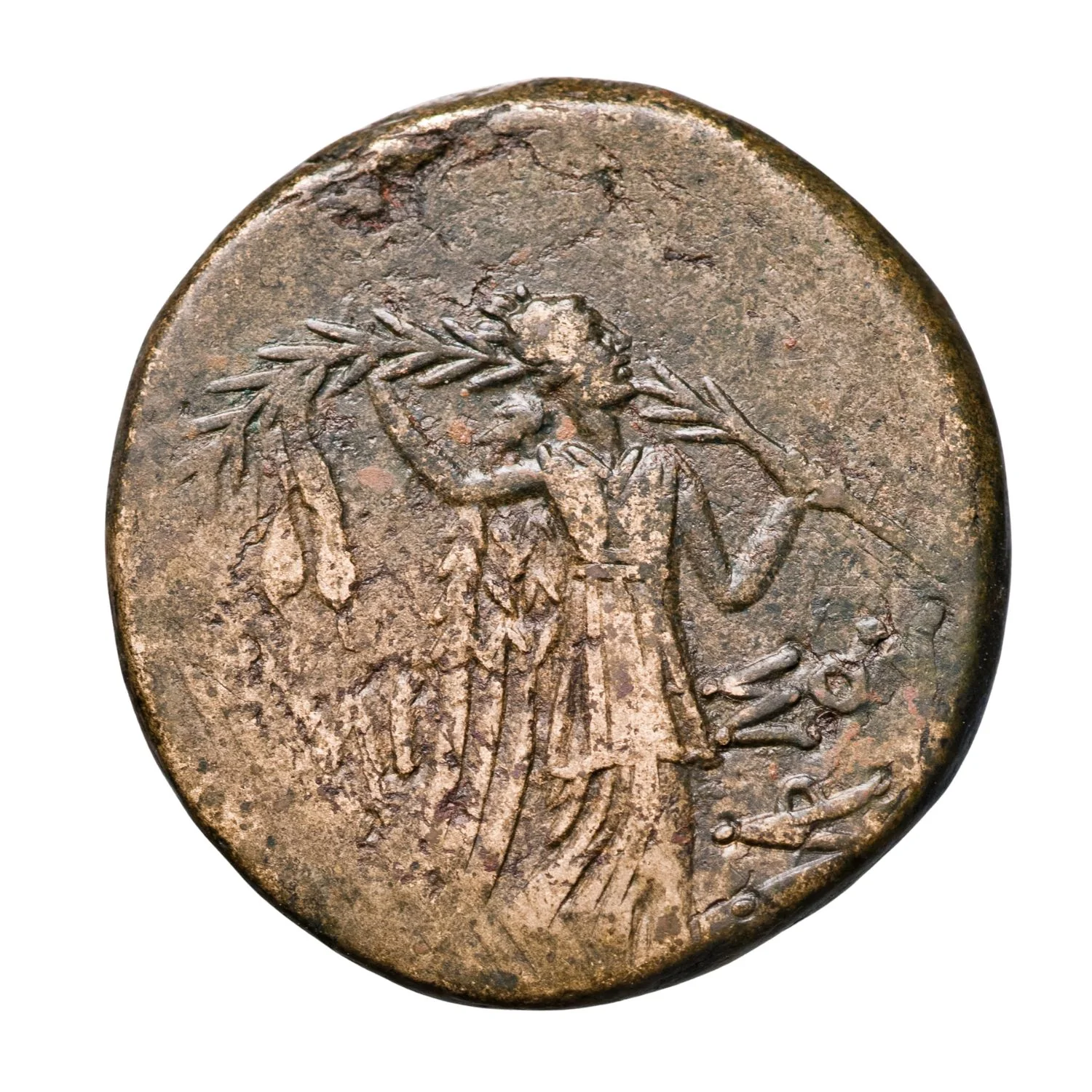
A complex man, who saw himself as the liberator of Greece against the ‘barbarian’ Romans, and who made Pontus the intellectual and cultural capital of the Ancient World, Mithradates was one of the truly great rulers of Ancient times. The coin before you is a genuine, important and extraordinarily affordable artefact of his long reign. Likely to have been struck circa 85-65BC in Amisos – a city on the Black Sea, now known as Samsun in Turkey – this intriguing type features the head of a Gorgon on a shield on the obverse, with Nike holding a wreath and palm on the reverse.
Graded Fine to Very Fine, and outstanding value-for-money at our price, we have just a few examples available. Click add to cart now!
Product Information
Product Information
Shipping & Returns
Shipping & Returns
Ancient Greece Pontus c85-65BC Mithradates VI Eupator Bronze Fine-Very Fine Coin
Ancient Greece Pontus c85-65BC Mithradates VI Eupator Bronze Fine-Very Fine Coin
A genuine artefact of Ancient Greece, struck well over 2,000 years ago, we are delighted to present this remarkably affordable coin from the reign of Mithradates the Great – one of the most formidable foes of Ancient Rome!
Mithradates was born in 135BC in Sinope, in the Kingdom of Pontus in Asia Minor – modern Turkey. In 120BC, at the age of just 15, he became co-ruler of the kingdom, although his mother held sway as regent. Fearing for his life, with his mother favouring his brother, Mithradates fled, returning to reclaim the throne circa 115BC. Having thrown his mother and brother into prison, where they soon died, Mithradates extended the influence of the Pontic Empire, before turning his attention to Rome.
The Roman Republic was increasingly dominant in Asia and the Hellenic world during this period, and Mithradates was determined to break their hegemony. Having defeated an invading army led by the Romans, the forces of Mithradates massacred as many as 80,000 Roman settlers in 88BC, provoking the Republic to launch a major offensive in a bid to remove him from power. The First Mithridatic War, as it is known, ended inconclusively in 84BC, and was soon followed by the Second Mithridatic War (83-81BC). Again, the Romans could not inflict the decisive defeat they sought, and Mithradates avoided further conflict with the Republic for the best part of a decade.
In 73BC, however, with the Romans attempting to exert their influence in the region, Mithradates attacked, sparking the Third Mithridatic War. It proved to be one battle too many for the aging King of Pontus, and after having his army routed by the famous Roman general Pompey the Great in 66BC, he fled east. Hoping to raise another army to take on the might of the Republic, Mithradates was refused help by one son – who he had killed – before another son rose up in rebellion. Having lost all hope, and seeking to avoid the ignominy of being led in a triumphal procession in Rome, Mithradates withdrew to his citadel in the Crimea where he planned to commit suicide – which proved more difficult than one might imagine.
One of the greatest legacies of Mithradates VI, King of Pontus, is known as ‘Mithridatism’ – the practice of protecting oneself against poison by ingesting sub-lethal amounts. As his father had been assassinated by poison at a lavish banquet he had held, Mithradates was obsessed with avoiding the same fate. Thus, he studied toxins at length, and regularly ingested small amounts of poison to build his immunity. His obsession may well have played a role in his longevity, but, ironically, it proved a significant barrier when he attempted to commit suicide! Having used poison to dispatched his wife and daughters, the same poison failed to kill him! Although reports vary, it is likely that Mithradates sought the assistance of one of his bodyguards, who dispatched the king with his sword.
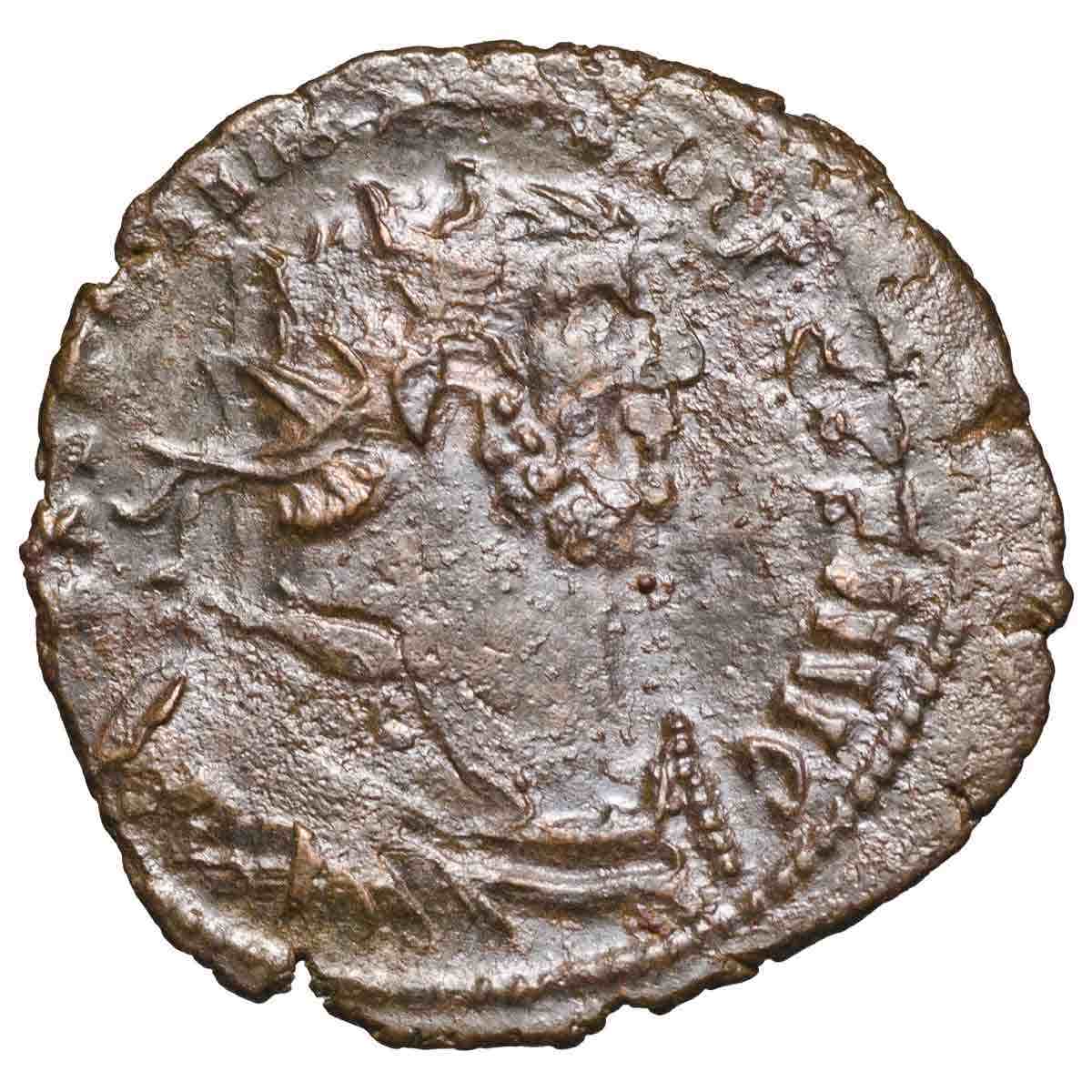
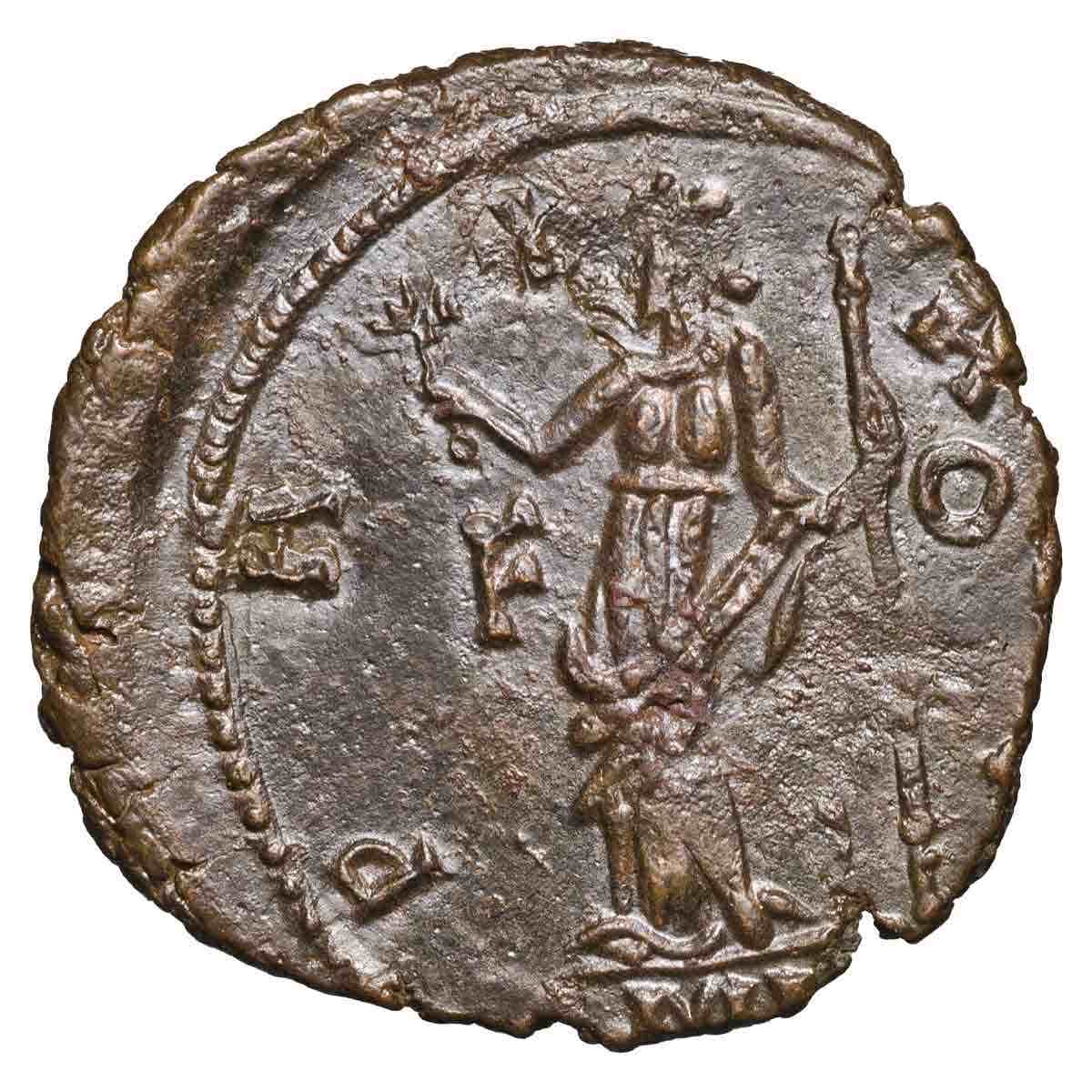
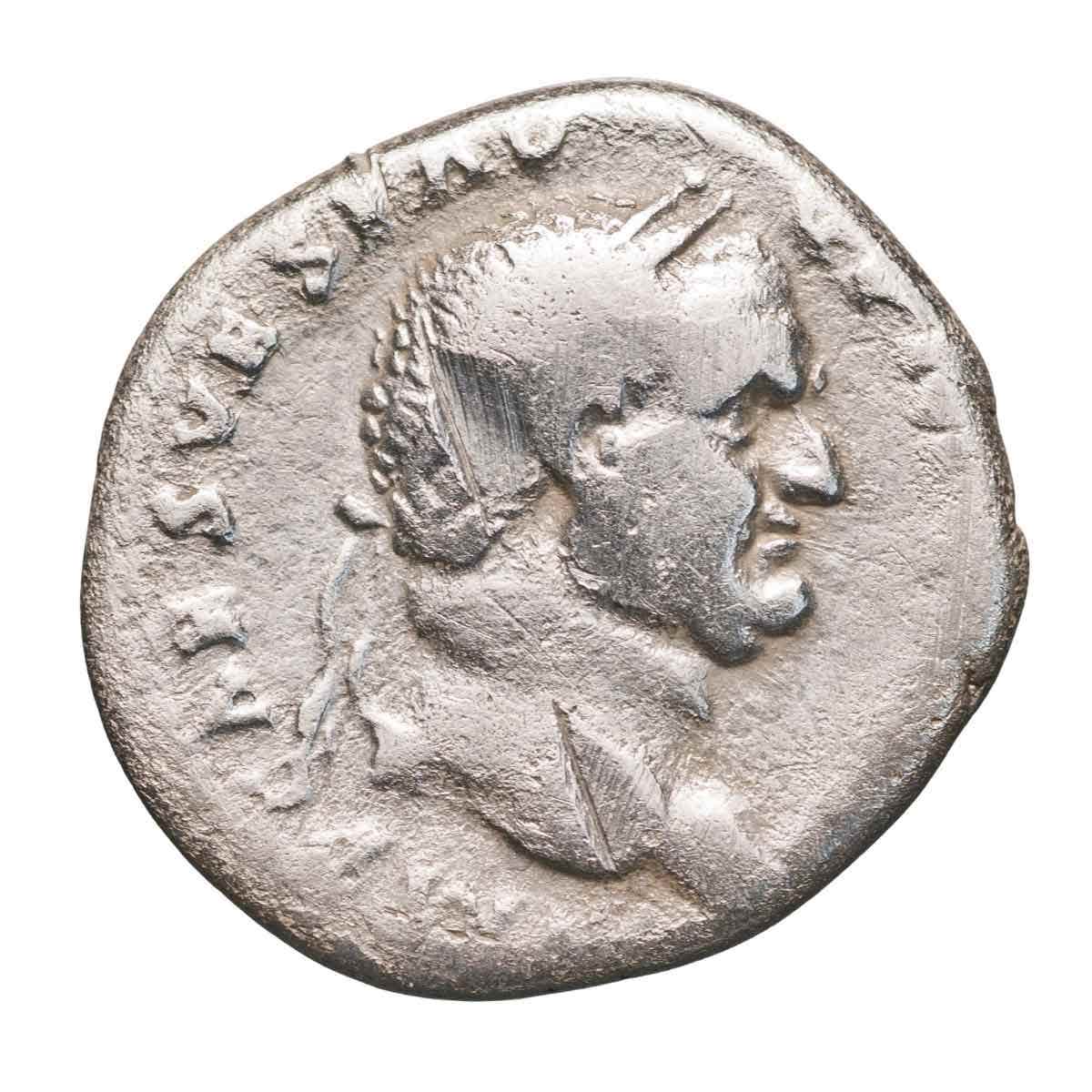
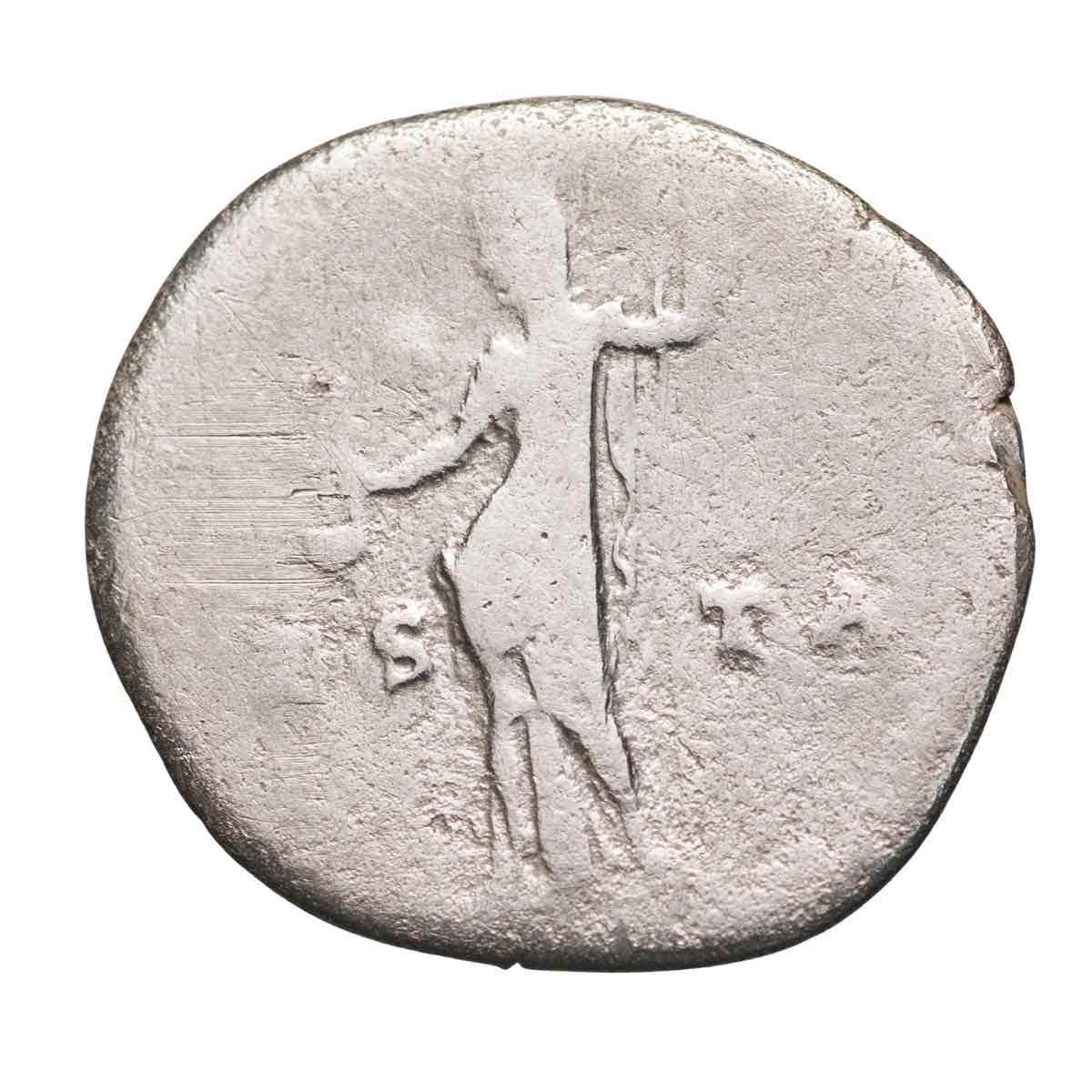
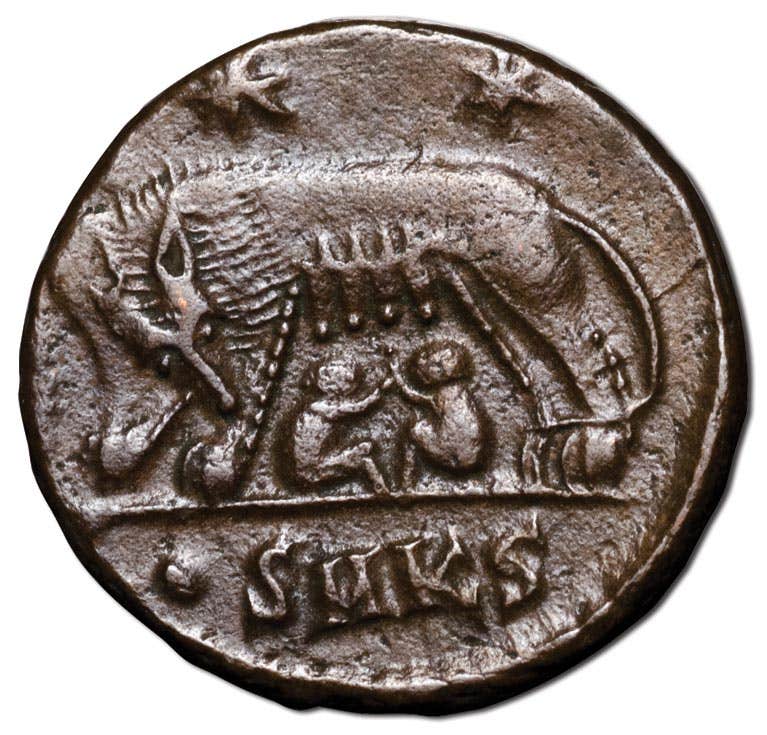
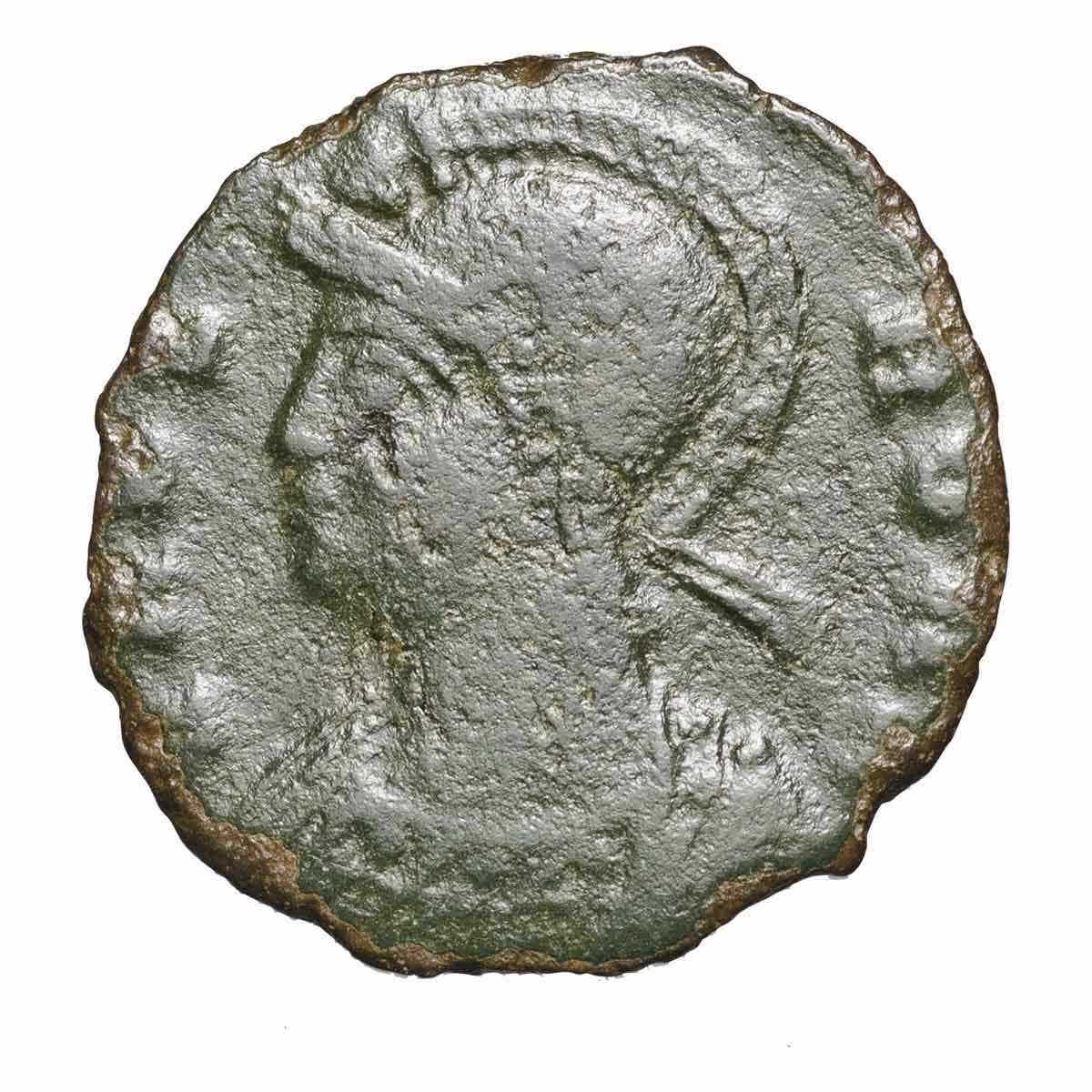
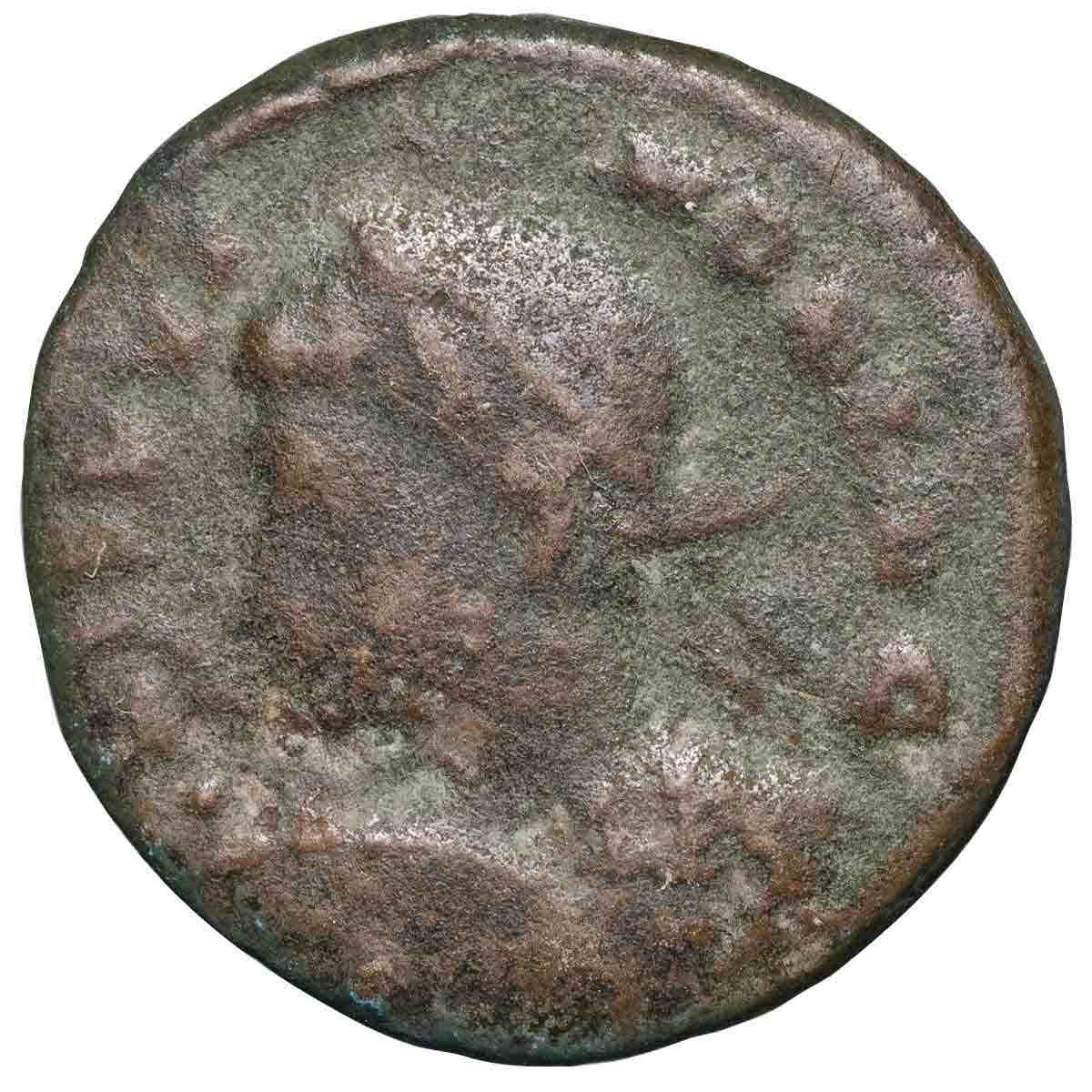
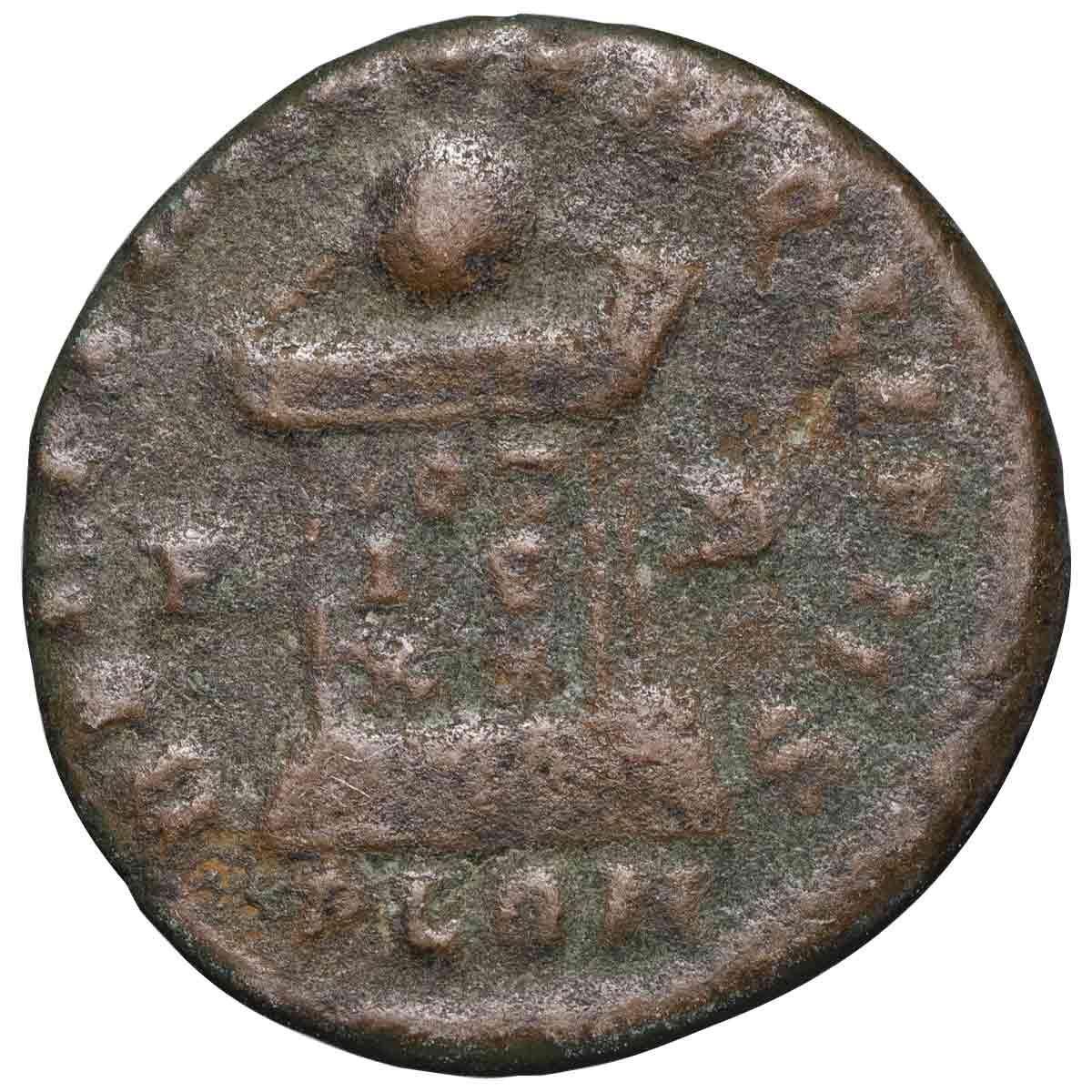
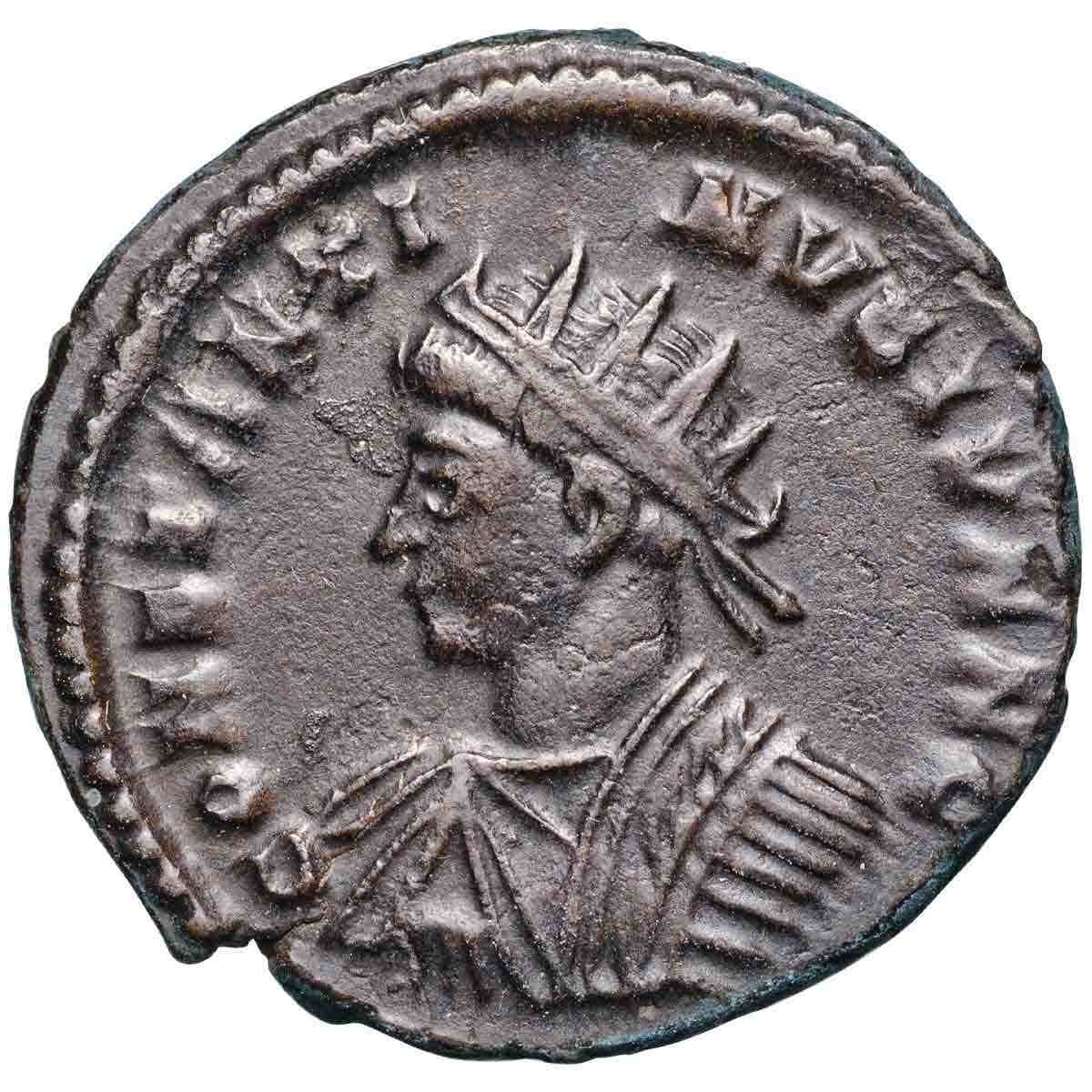
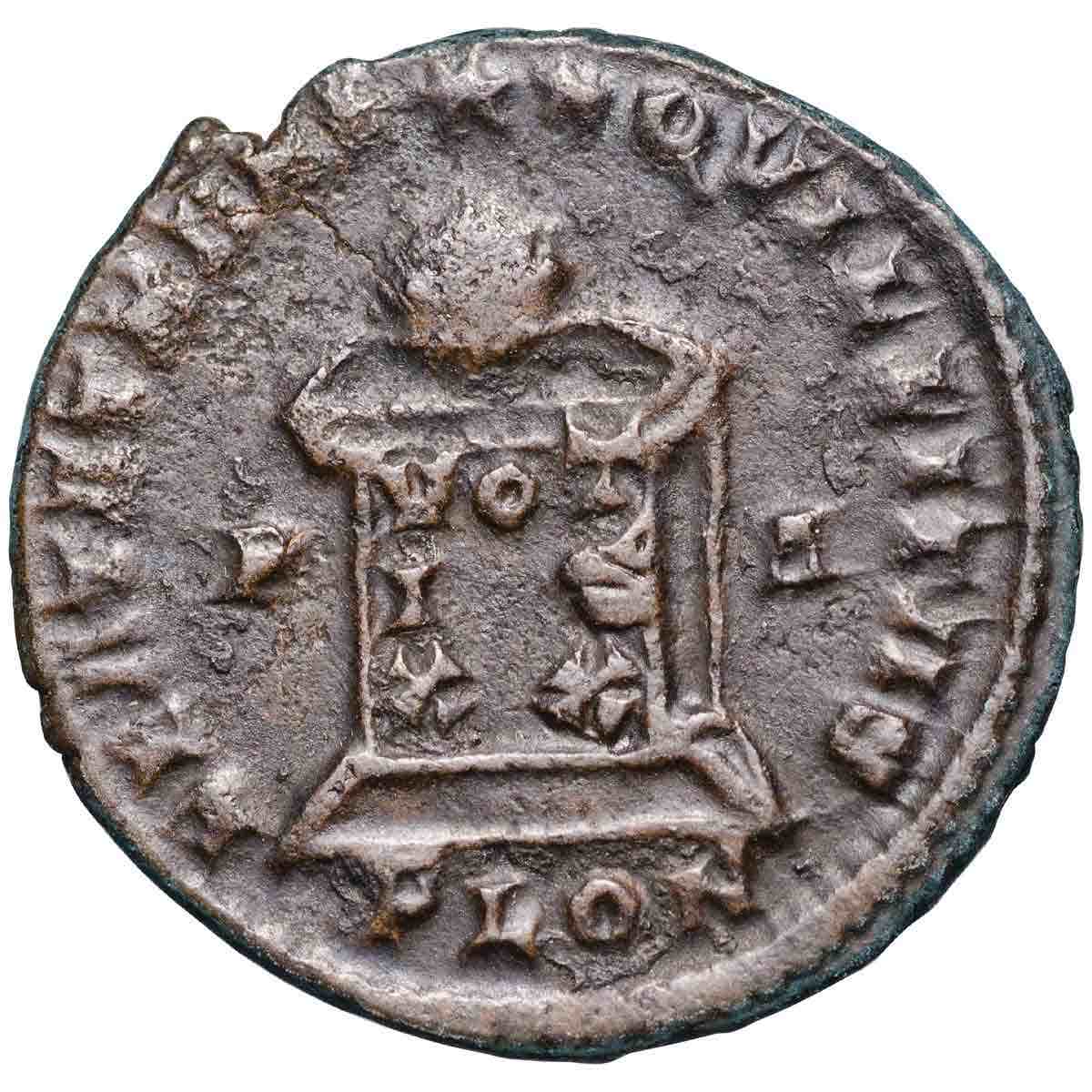
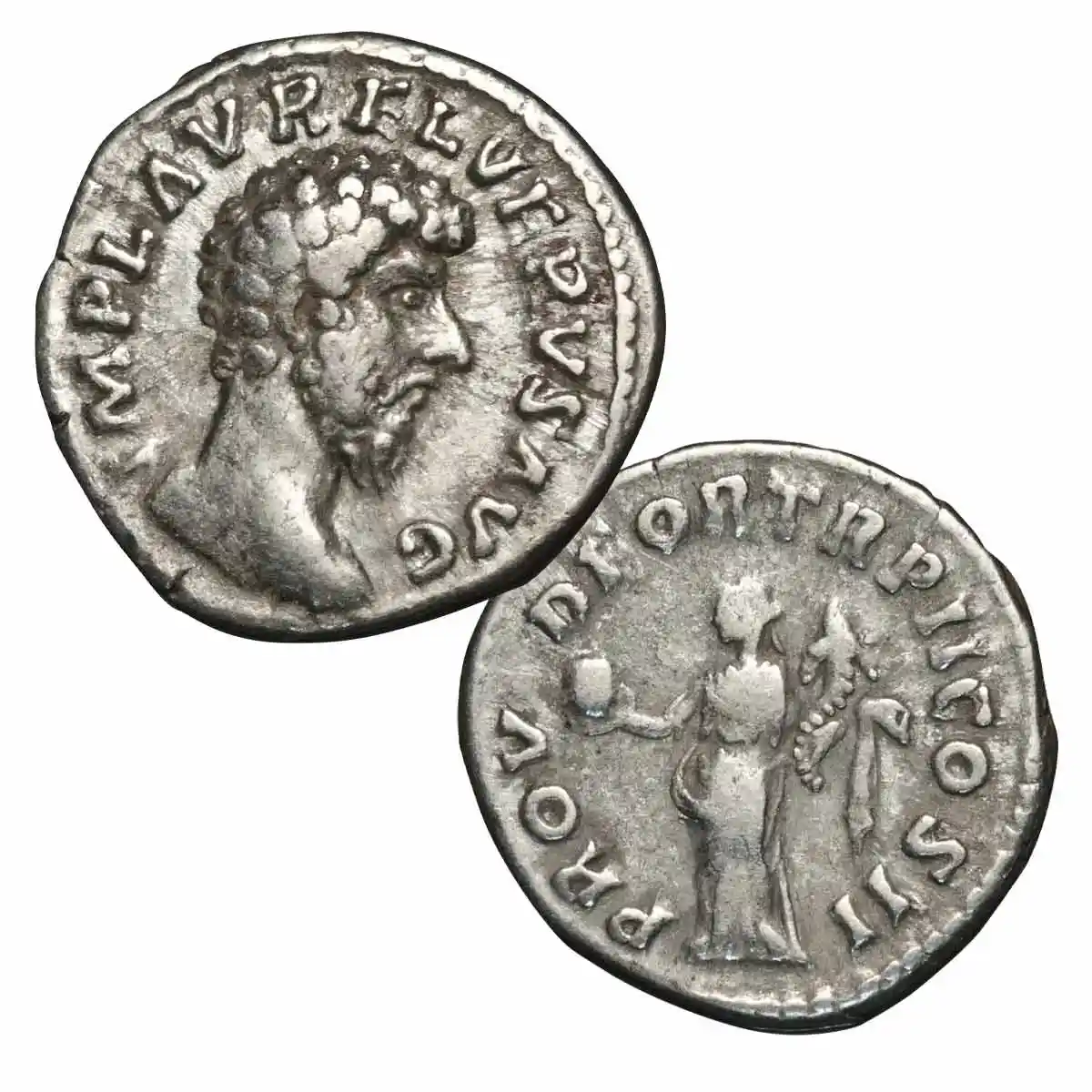
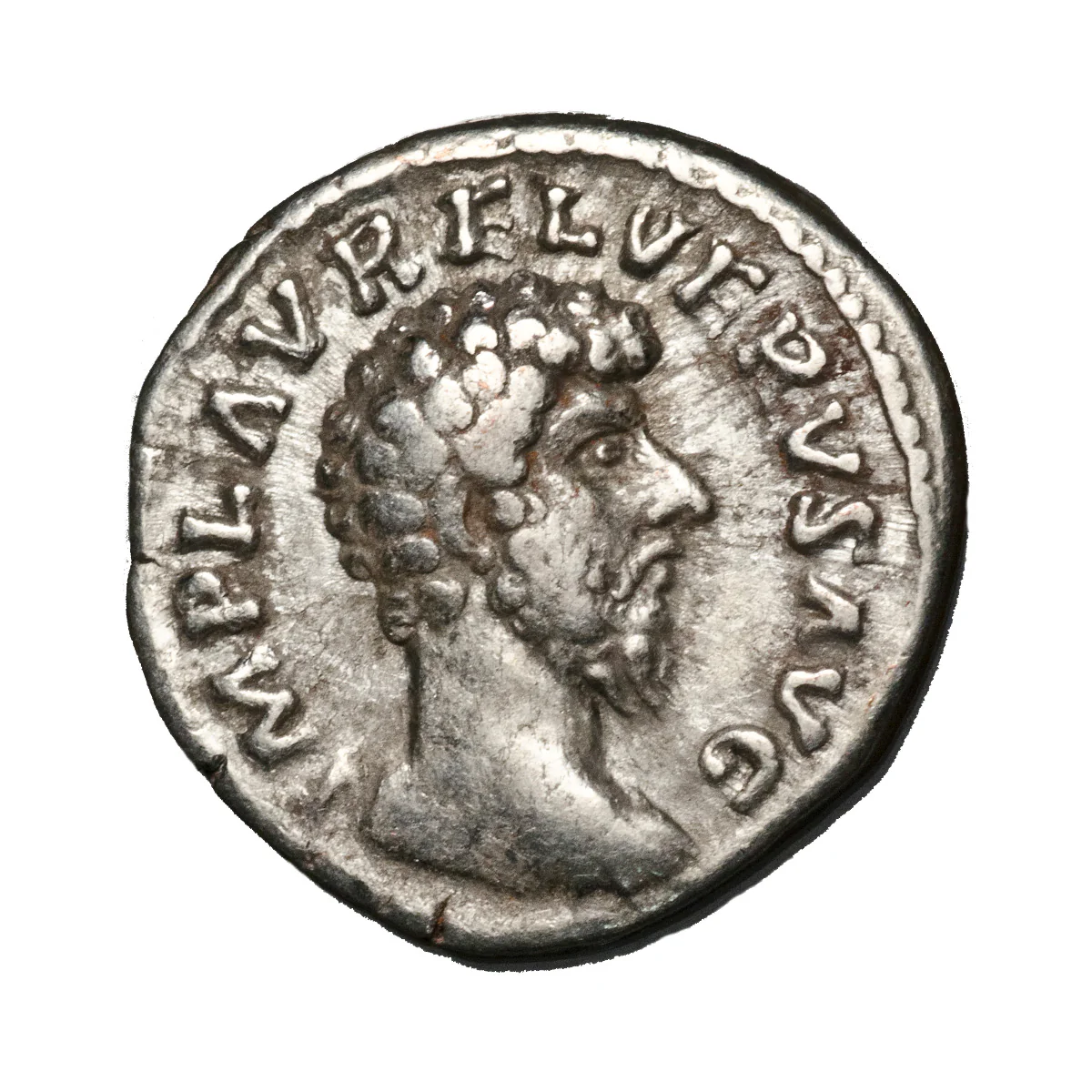
A complex man, who saw himself as the liberator of Greece against the ‘barbarian’ Romans, and who made Pontus the intellectual and cultural capital of the Ancient World, Mithradates was one of the truly great rulers of Ancient times. The coin before you is a genuine, important and extraordinarily affordable artefact of his long reign. Likely to have been struck circa 85-65BC in Amisos – a city on the Black Sea, now known as Samsun in Turkey – this intriguing type features the head of a Gorgon on a shield on the obverse, with Nike holding a wreath and palm on the reverse.
Graded Fine to Very Fine, and outstanding value-for-money at our price, we have just a few examples available. Click add to cart now!
Product Information
Product Information
Shipping & Returns
Shipping & Returns
Description
A genuine artefact of Ancient Greece, struck well over 2,000 years ago, we are delighted to present this remarkably affordable coin from the reign of Mithradates the Great – one of the most formidable foes of Ancient Rome!
Mithradates was born in 135BC in Sinope, in the Kingdom of Pontus in Asia Minor – modern Turkey. In 120BC, at the age of just 15, he became co-ruler of the kingdom, although his mother held sway as regent. Fearing for his life, with his mother favouring his brother, Mithradates fled, returning to reclaim the throne circa 115BC. Having thrown his mother and brother into prison, where they soon died, Mithradates extended the influence of the Pontic Empire, before turning his attention to Rome.
The Roman Republic was increasingly dominant in Asia and the Hellenic world during this period, and Mithradates was determined to break their hegemony. Having defeated an invading army led by the Romans, the forces of Mithradates massacred as many as 80,000 Roman settlers in 88BC, provoking the Republic to launch a major offensive in a bid to remove him from power. The First Mithridatic War, as it is known, ended inconclusively in 84BC, and was soon followed by the Second Mithridatic War (83-81BC). Again, the Romans could not inflict the decisive defeat they sought, and Mithradates avoided further conflict with the Republic for the best part of a decade.
In 73BC, however, with the Romans attempting to exert their influence in the region, Mithradates attacked, sparking the Third Mithridatic War. It proved to be one battle too many for the aging King of Pontus, and after having his army routed by the famous Roman general Pompey the Great in 66BC, he fled east. Hoping to raise another army to take on the might of the Republic, Mithradates was refused help by one son – who he had killed – before another son rose up in rebellion. Having lost all hope, and seeking to avoid the ignominy of being led in a triumphal procession in Rome, Mithradates withdrew to his citadel in the Crimea where he planned to commit suicide – which proved more difficult than one might imagine.
One of the greatest legacies of Mithradates VI, King of Pontus, is known as ‘Mithridatism’ – the practice of protecting oneself against poison by ingesting sub-lethal amounts. As his father had been assassinated by poison at a lavish banquet he had held, Mithradates was obsessed with avoiding the same fate. Thus, he studied toxins at length, and regularly ingested small amounts of poison to build his immunity. His obsession may well have played a role in his longevity, but, ironically, it proved a significant barrier when he attempted to commit suicide! Having used poison to dispatched his wife and daughters, the same poison failed to kill him! Although reports vary, it is likely that Mithradates sought the assistance of one of his bodyguards, who dispatched the king with his sword.
A complex man, who saw himself as the liberator of Greece against the ‘barbarian’ Romans, and who made Pontus the intellectual and cultural capital of the Ancient World, Mithradates was one of the truly great rulers of Ancient times. The coin before you is a genuine, important and extraordinarily affordable artefact of his long reign. Likely to have been struck circa 85-65BC in Amisos – a city on the Black Sea, now known as Samsun in Turkey – this intriguing type features the head of a Gorgon on a shield on the obverse, with Nike holding a wreath and palm on the reverse.
Graded Fine to Very Fine, and outstanding value-for-money at our price, we have just a few examples available. Click add to cart now!